
Cayratia mollissima
Cayratia mollissima
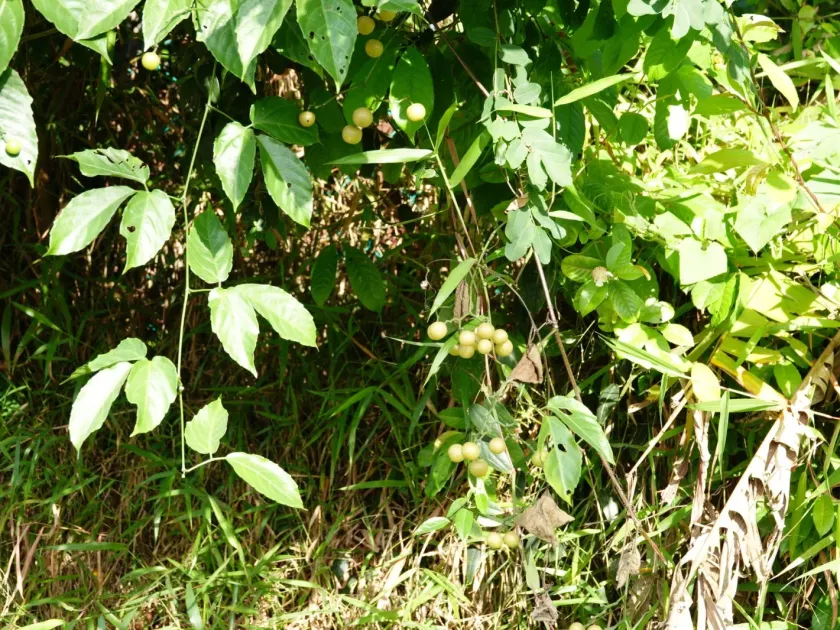
Description
Growing requirements
Cayratia mollissima is a perennial climbing vine belonging to the Vitaceae family. Native to tropical regions of Southeast Asia, it thrives in lush environments characterized by significant rainfall and high humidity levels.
This species is well-adapted to warm climates and requires consistent temperatures between 22 and 28 degrees Celsius for optimal metabolic activity. It cannot withstand frost and requires shelter in temperate regions.
The plant performs best in loose, well-draining soil that is rich in organic matter. A slightly acidic to neutral soil profile is ideal for ensuring nutrient uptake through the root system.
As a climbing plant, Cayratia mollissima utilizes tendrils to secure itself to supports. Providing sturdy trellises or walls is essential to promote vertical growth and improve airflow around the leaves.
Cultivation practices involve maintaining moist soil conditions without causing waterlogging. Periodic fertilizing with a balanced liquid nutrient solution during the growth season is recommended to support rapid vine development.
Main diseases and pests
The primary threats to Cayratia mollissima in cultivation include various fungal diseases that develop under conditions of poor air circulation and excessive dampness.
Common pests that may inhabit the plant include spider mites and mealybugs. These pests congregate on the undersides of leaves, causing structural damage and reducing the plant's overall health.
Integrated pest management is crucial for this vine, involving the use of botanical soaps or targeted insecticides when pest populations exceed acceptable thresholds.
To prevent disease outbreaks, growers should focus on maintaining adequate spacing between plants and avoiding overhead irrigation during cooler parts of the day.
Regular inspections are highly recommended to catch signs of infestation or infection early, as the dense foliage of the vine can often mask early-stage issues.