
Cayratia delicatula
Cayratia delicatula
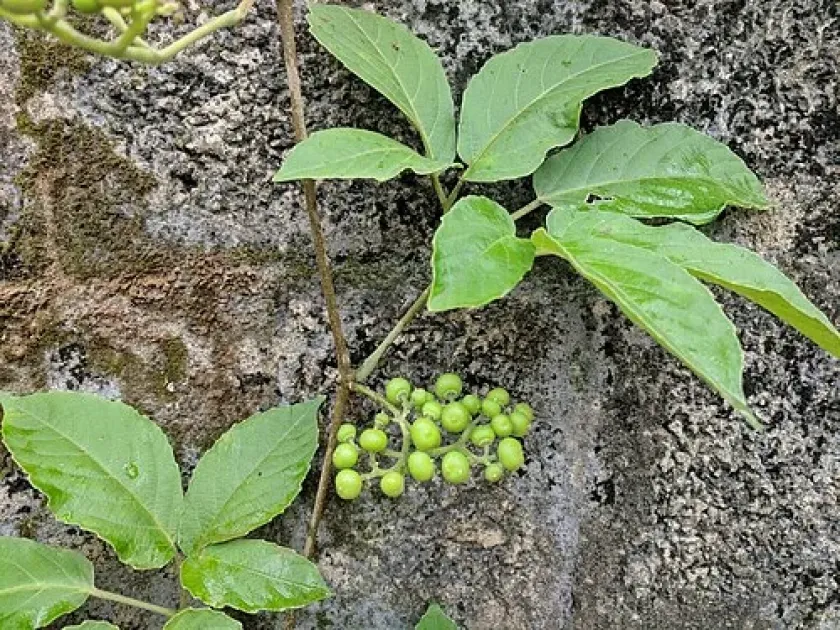
Description
Sowing dates
Cayratia delicatula is a perennial vine belonging to the Vitaceae family, commonly cultivated for its unique foliage and climbing habit.
Propagation is typically achieved through seeds or stem cuttings, with spring being the optimal time for planting to ensure strong root development.
Seeds require specific temperature conditions to germinate, usually necessitating a stable warm environment and high humidity levels.
When using cuttings, it is essential to keep the medium moist and protected from direct sunlight to prevent dehydration of the plant material.
Proper spacing during the initial stages of growth is vital to allow the vine to develop its climbing structures effectively without overcrowding.
Growing requirements
The plant thrives in tropical climates where temperature fluctuations are minimal, making it an excellent candidate for controlled greenhouse environments.
Well-drained, nutrient-rich soil is necessary to support its vigorous growth, reflecting the natural forest floor conditions of its origin.
Indirect light is highly recommended, as exposure to intense sun can scorch the leaves and significantly reduce the photosynthetic capacity.
Humidity management is crucial for this species; maintaining levels above 60% ensures healthy growth and prevents leaf edge browning.
Regular fertilization with organic compost or diluted liquid fertilizers helps provide essential nutrients throughout the active growing season.
Main diseases and pests
Spider mites are the most common pests that thrive in dry indoor conditions, potentially causing severe damage to the foliage of the vine.
Mealybugs can also infest the stems, requiring diligent monitoring and prompt application of horticultural oils or natural insecticidal soaps.
Root rot is a major threat often associated with poor drainage and excessive water retention in the soil, which should be corrected immediately.
Fungal infections, such as mildew, can appear if air circulation is insufficient within the cultivation area, requiring better spacing or fans.
Preventative measures include maintaining clean tools and quarantining any new plant material to stop the spread of potential pathogens.