
Cayratia ibuensis
Cayratia ibuensis
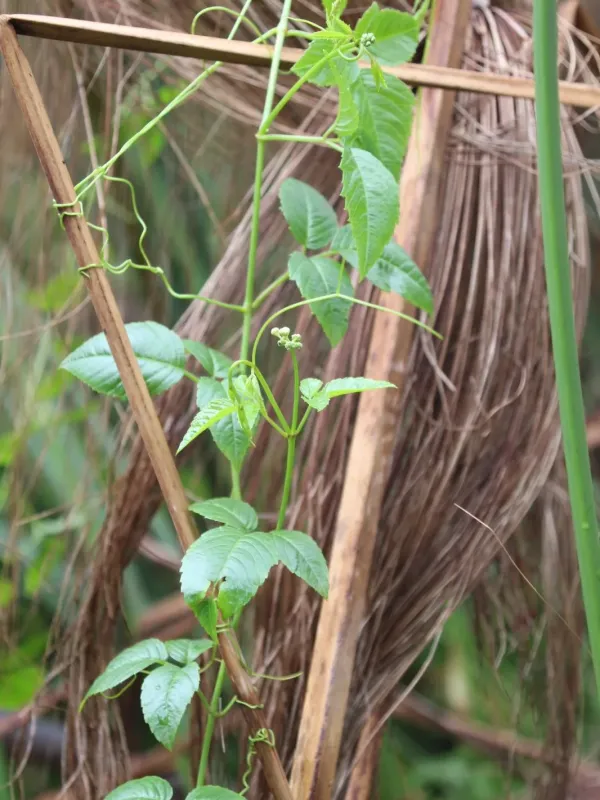
Description
Growing requirements
Cayratia ibuensis is a perennial climbing vine belonging to the Vitaceae family. Native to the tropical regions of Africa, this plant is naturally adapted to the dense vegetation of rainforests and woodland areas.
The plant exhibits typical climbing vine characteristics, using specialized tendrils to ascend toward light sources. Its foliage is compound, and it shows a robust growth habit when provided with an appropriate structural support system.
For successful cultivation, Cayratia ibuensis requires well-draining, nutrient-rich soil. It thrives best in environments that replicate tropical forest conditions, emphasizing high humidity and moderate ambient temperatures.
The plant is sensitive to direct sunlight, which can scorch its leaves; therefore, it prefers dappled shade. Maintaining consistent moisture levels in the soil is crucial, as the plant does not tolerate prolonged drought conditions.
Proper agricultural management involves monitoring soil pH and providing adequate organic fertilization to support its vigorous vegetative growth. Ensuring good aeration around the roots is essential to prevent common fungal pathogens.
Harvesting
The primary use of Cayratia ibuensis is rooted in its ethnobotanical value. Various plant parts, including roots and leaves, are frequently harvested for use in traditional medicine and pharmaceutical investigations.
Harvesting strategies are focused on the selective removal of plant materials to ensure that the mother plant remains capable of regeneration. This is particularly important when gathering medicinal roots from wild or managed populations.
Post-harvest processing involves drying the collected parts in ventilated, shaded areas to ensure stability and chemical integrity. Controlled temperature drying is preferred to retain the phytochemical profile of the harvested biomass.
Future agricultural prospects for this species rely on increasing our understanding of its growth cycles and specific phytochemical yields. Currently, it remains a niche species that requires further evaluation for large-scale economic potential.
Sustainable harvesting practices are encouraged to preserve the genetic diversity of the plant in its native tropical habitats, as it remains an important component of the local forest ecosystem.