
Cayratia trifolia
Cayratia trifolia
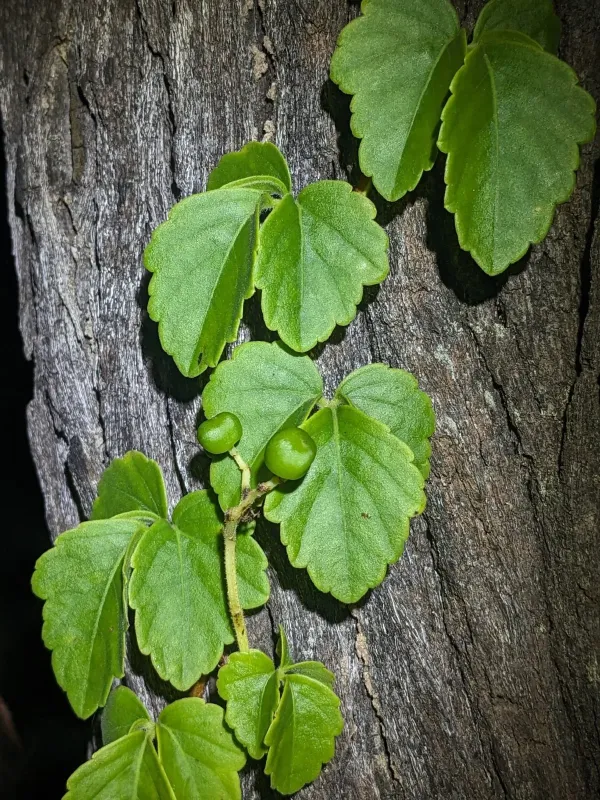
Description
Growing requirements
Cayratia trifolia is a vigorous perennial climbing plant belonging to the Vitaceae family. It is widely recognized for its trifoliate leaves and tendrils that allow it to scale vertical structures, making it an interesting subject for tropical agriculture.
Originating from the tropical regions of Asia, Africa, and Australia, this plant thrives in environments characterized by high humidity and consistent temperatures. It is commonly found in forest clearings and along hedge rows in its native habitat.
The cultivation of this species requires well-drained, nutrient-rich soils with a neutral or slightly acidic pH. The plant performs best in locations that offer partial to full sunlight, provided there is enough moisture to support its rapid growth.
Temperature management is crucial, as the plant does not tolerate frost. Ideal growing conditions occur between +22°C and +30°C, and it is essential to protect the vines from extreme cold to prevent severe damage to the plant's delicate vascular system.
Agricultural management involves the installation of robust support systems to accommodate the weight of the vines. Regular irrigation schedules and periodic application of balanced fertilizers ensure sustained leaf and stem production throughout the growing season.
Main diseases and pests
Cayratia trifolia is susceptible to common pests such as spider mites, which can cause significant damage to foliage in warm, dry environments. These pests penetrate the leaf tissue, leading to chlorosis and stunted overall development.
Fungal pathogens like downy mildew are a frequent issue in humid climates, particularly when air circulation around the plants is poor. Effective mitigation includes thinning out the foliage and using appropriate organic or synthetic fungicides.
Root rot remains a major threat to the plant's longevity, often induced by waterlogging in heavy or clay-based soils. Ensuring excellent drainage and strictly monitoring watering intervals are the primary prevention methods against these soil-borne threats.
Insects like aphids and thrips can also affect the young growing tips of the vine. Monitoring programs are essential to detect infestations early, allowing for targeted interventions before the pest populations reach critical thresholds.
Maintaining a clean cultivation environment is essential to suppress the spread of viruses or pathogens. By rotating crops and avoiding high-density planting, farmers can minimize the impact of disease outbreaks on the overall crop yield.