
Cayratia pedata
Cayratia pedata
Description
Growing requirements
Cayratia pedata is a perennial woody vine belonging to the Vitaceae family. Native to the tropical regions of Asia, including India, Sri Lanka, and Southeast Asia, it thrives in environments characterized by high humidity and dense forest cover. It is a climbing plant that plays an important role in its native ecosystem.
To cultivate this species successfully, one must provide conditions that mimic its tropical habitat, such as consistent high temperatures and significant air humidity. The plant requires well-drained, nutrient-rich soil with a neutral or slightly acidic pH. It performs best in partial shade, as direct sunlight can be damaging to its foliage.
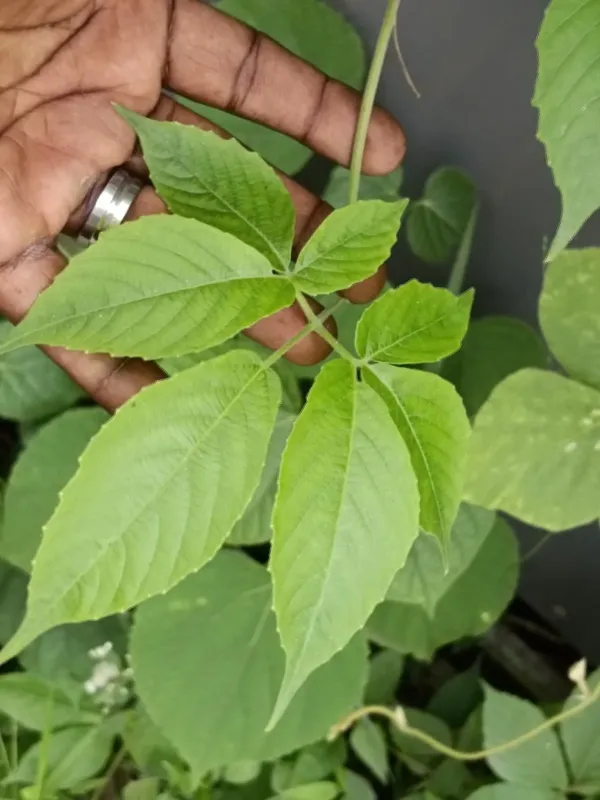
The botanical structure of Cayratia pedata is distinguished by its pedate (palmate-compound) leaves, which typically consist of five distinct leaflets. The plant grows as a vigorous climber, utilizing specialized tendrils to scale vertical supports. Small, clustered flowers eventually give way to small berries, which are characteristic of the grape family.
In terms of economic and practical use, the plant is highly valued for its medicinal properties in traditional Asian medicine. Extracts from its roots and leaves are utilized for their anti-inflammatory, antiseptic, and wound-healing properties. Furthermore, in some cultures, young leaves and shoots are prepared and consumed as a nutritional supplement after appropriate processing.
Cultivation requires the installation of sturdy trellises or poles to support the vine's rapid growth. Irrigation should be consistent, ensuring that the soil remains moist but never waterlogged, as poor drainage is a primary cause of failure. In non-tropical regions, Cayratia pedata must be kept in greenhouses with controlled climate parameters to ensure survival.
Main diseases and pests
The primary pests affecting this plant include spider mites and mealybugs, which tend to proliferate in conditions with low humidity. Maintaining high air moisture levels is an effective preventive measure against these infestations, while regular inspections allow for quick manual or biological control interventions.
Root rot caused by fungal pathogens is the most significant disease threat, especially in soils that lack adequate drainage. To manage these risks, growers should ensure proper aeration of the root zone and avoid overwatering. If symptoms appear, it is essential to adjust the moisture levels and apply targeted fungicides to save the plant.