
Cayratia debilis
Cayratia debilis
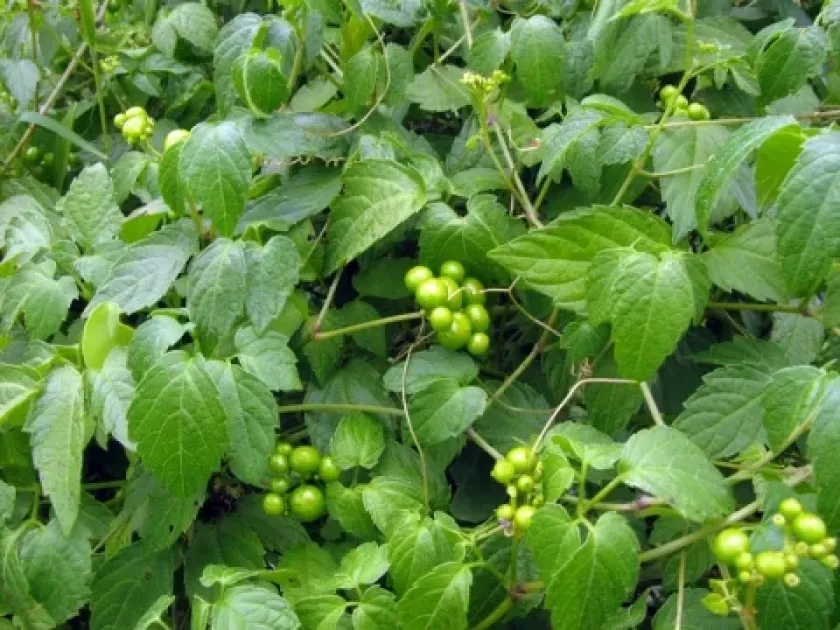
Description
Growing requirements
Cayratia debilis is a herbaceous climbing plant belonging to the Vitaceae (grape) family. It is native to tropical and subtropical regions of Asia, where it typically thrives in humid and shaded forest understories.
The plant requires well-drained, fertile soil rich in organic matter. Maintaining a neutral to slightly acidic pH is essential for the healthy development of its root system and nutrient uptake efficiency during the growing season.
Climate requirements include consistently warm temperatures and high relative humidity. It is sensitive to frost and cold drafts; therefore, it is best suited for greenhouse environments or tropical regions where ambient temperatures remain above 18 degrees Celsius.
Regarding agricultural practices, the plant relies on its tendrils to climb, necessitating sturdy supports such as trellises or stakes. Providing diffused light is critical, as direct, harsh sunlight can scorch the foliage and hinder growth.
Economically, Cayratia debilis is primarily recognized for its ethnobotanical utility. Various parts of the plant are utilized in local traditional medicines, and research into its secondary metabolites is ongoing in the field of phytochemistry.
Main diseases and pests
The most common threats to this species include fungal pathogens like leaf spot and powdery mildew, which are often exacerbated by poor air circulation or excessive moisture levels in the canopy.
Pest problems are frequently caused by sap-sucking insects, such as spider mites and mealybugs. Effective management includes integrated pest control strategies and maintaining healthy plant vigor through balanced nutrition and proper watering schedules.