
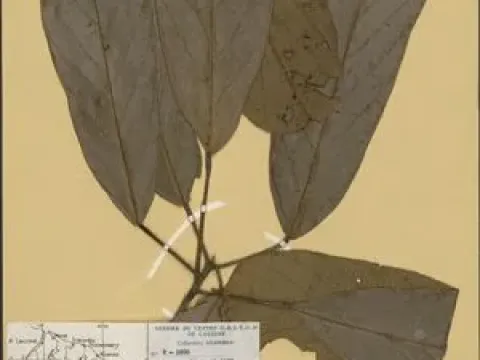
Catostemma
Catostemma
Catostemma is a genus of tropical trees belonging to the Malvaceae family, specifically the Bombacoideae subfamily. These trees are native to the tropical forests of South America, with significant populations found in Guyana, Venezuela, and Northern Brazil.
What the section contains
Catostemma
The ecological requirements of Catostemma are strictly tied to tropical rainforest environments. They demand high humidity levels and constant temperatures, thriving in deep, fertile soils that provide adequate drainage despite the heavy annual rainfall characteristic of the region.
Botanically, Catostemma species are recognized for their robust stature and specialized foliage adapted to high-competition forest environments. The flowers typically exhibit characteristic Malvaceae morphology, including a high count of stamens, which is a key diagnostic feature for identification.
From a land-use perspective, the primary value of the genus is its contribution to forest biomass and, in some cases, timber production. It is not managed as a traditional agricultural row crop, but rather as a managed forest resource within tropical silviculture practices.
Cultivation attempts require significant adherence to silvicultural principles, as the trees are not adapted to open-field agricultural conditions. Maintaining the integrity of the soil microbiome and canopy shade is essential for the healthy development of seedlings in reforestation projects.
Pathogenic fungi represent the primary biological threat to Catostemma populations, particularly in environments where air circulation is restricted or humidity remains at near-saturation levels. Leaf spot diseases and root rot are common in stressed environments.
Wood-boring insects, including various coleopteran larvae, pose a major risk to the timber quality and structural integrity of the trees. These pests often exploit trees that have already been compromised by environmental stress or physical mechanical damage.
Climate change, manifesting as altered precipitation patterns, poses a systemic threat. Since Catostemma is adapted to consistent moisture, extended dry spells can severely weaken the tree's immune system, making it susceptible to outbreaks of pests that are normally suppressed.
Deforestation and habitat fragmentation are the most critical man-made threats. By altering the local humidity levels and removing protective canopy layers, these actions lead to the degradation of the environment necessary for the long-term survival of the genus.
Management strategies focus on maintaining biodiversity and preventing the spread of pathogens through strict adherence to sustainable forestry practices. Protecting buffer zones in tropical areas is crucial to prevent the encroachment of invasive species into Catostemma habitats.