
Wahu sedge
Carex wahuensis C. A. Mey. subsp. Wahuensis
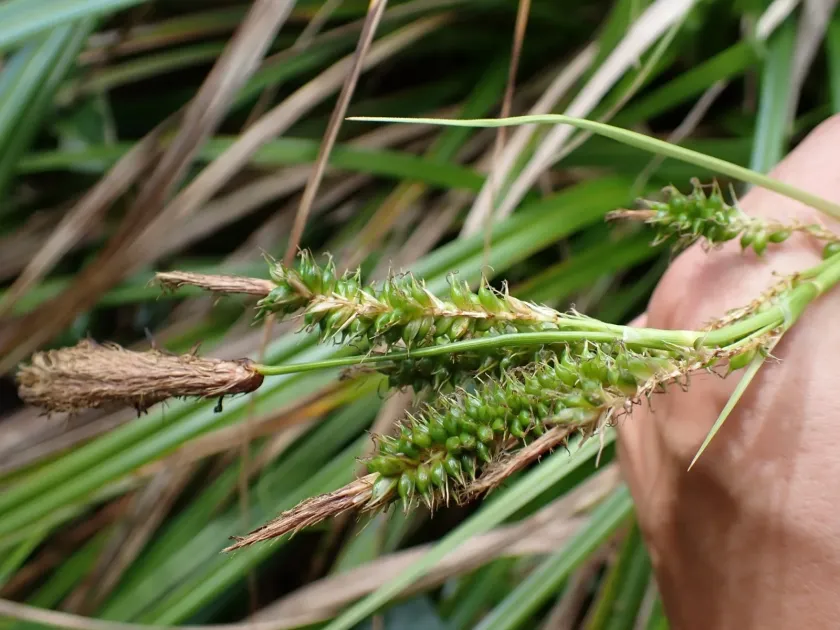
Description
Growing requirements
Wahu sedge (Carex wahuensis) is a perennial herbaceous plant belonging to the Cyperaceae family. Originating from the Hawaiian Islands, this species is highly regarded for its aesthetic properties and structural role in landscaping and ecological planting projects.
Botanically, the plant features narrow, grass-like leaves that form dense, elegant clumps. Its root system is fibrous and adapted to diverse soil conditions, which helps in soil stabilization and provides the plant with structural resilience against environmental stresses.
Cultivation requirements involve well-drained soil with a slightly acidic to neutral pH. The plant thrives in sunny locations but can tolerate partial shade, which is particularly beneficial in regions with intense summer heat to prevent foliage scorching.
Regarding climate, Carex wahuensis is best suited for tropical and subtropical conditions. In colder regions, it is often grown as an annual or a container plant that must be moved indoors or protected during freezing temperatures to ensure its survival.
Management practices include moderate watering and the application of balanced fertilizers during the active growing season. Its primary use remains in ornamental horticulture, serving as a decorative border or ground cover in gardens and public landscapes.
Main diseases and pests
The primary threats to Wahu sedge include root rot caused by poor soil drainage and waterlogging. Ensuring a porous soil structure is essential for maintaining the plant's health and preventing the spread of soil-borne pathogens.
Common pests such as spider mites and aphids may inhabit the leaves during periods of low humidity. Regularly checking the plant's foliage and using insecticidal soaps or neem oil can effectively mitigate these pest infestations without damaging the environment.
Fungal leaf spots are another concern, often occurring in dense plantings with poor air circulation. To prevent these issues, it is recommended to provide enough space between plants, allowing for consistent airflow throughout the foliage.
Over-fertilization with nitrogen can lead to succulent growth that is more susceptible to insect damage. A controlled-release fertilizer is preferred to provide a steady nutrient supply without causing excessive, weak vegetative growth.
Sanitation practices, such as removing dead or dying leaves after the season, are crucial to reducing disease pressure. Keeping the growing area clean helps eliminate habitats where pests and pathogens could potentially thrive.