
Wahuensis sedge
Carex wahuensis C. A. Mey.
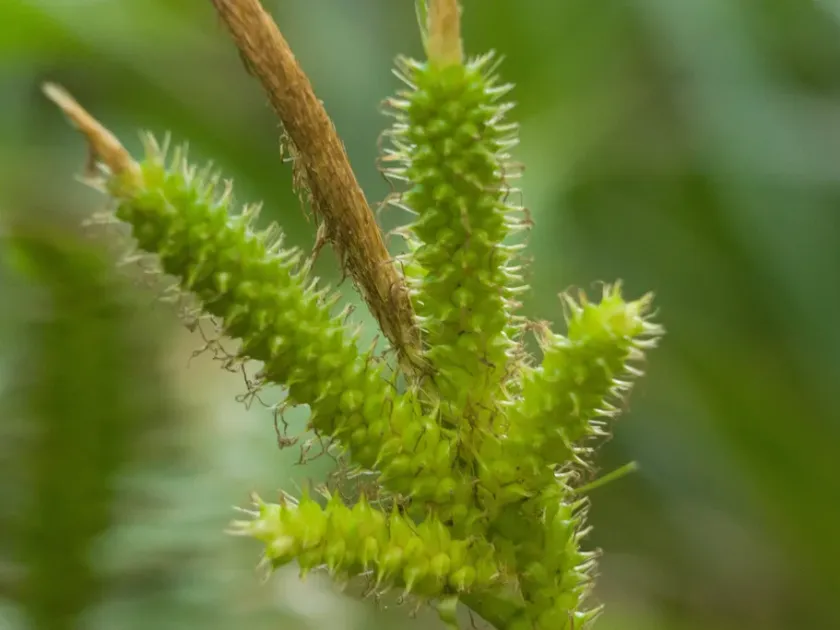
Description
Growing requirements
Wahuensis sedge (Carex wahuensis) is a perennial grass-like plant belonging to the Cyperaceae family. Native to the Hawaiian Islands, this species has evolved to thrive in diverse ecological conditions, ranging from coastal areas to high-altitude volcanic slopes.
The plant is characterized by its dense, tufted growth habit and narrow, arching leaves that provide a graceful texture to any landscape. The inflorescences are typical for the Carex genus, appearing as spikelets that contribute to the plant's overall aesthetic appeal throughout the growing season.
In terms of cultivation requirements, this sedge thrives in well-drained, sandy or rocky soils that mimic its natural habitat. While it is adaptable to various soil types, it requires excellent drainage to prevent root rot, especially in regions with high seasonal rainfall.
Wahuensis sedge is known for its resilience and ability to withstand significant sun exposure once fully established. It is an ideal candidate for low-maintenance landscapes where water conservation and soil stabilization are prioritized over high-fertility requirements.
The primary economic and environmental use of this plant is in landscaping and erosion control. Due to its dense root system, it effectively binds the soil on embankments, while its clean appearance makes it a popular choice for rock gardens and modern xeriscaping projects.