
Carex trifida
Carex trifida Cav.
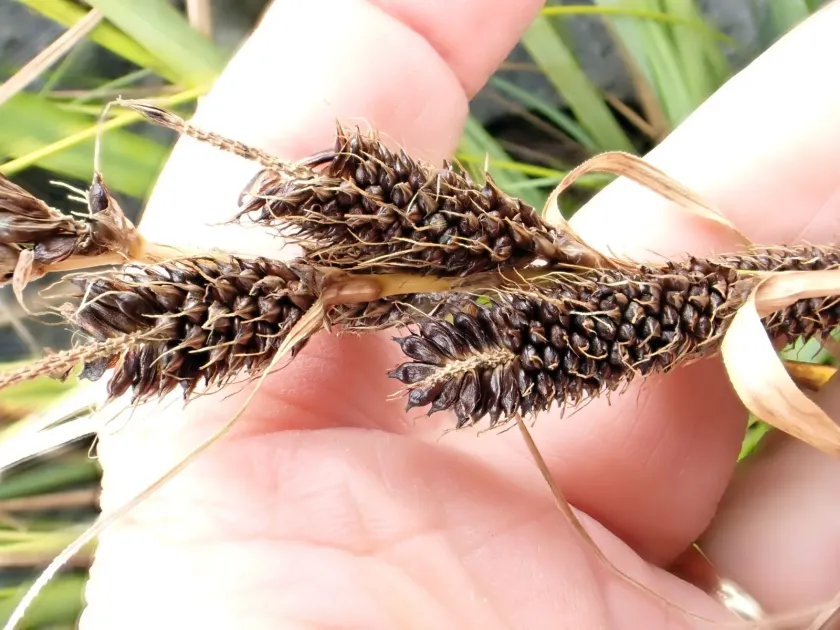
Description
Growing requirements
Carex trifida is a prominent member of the Cyperaceae family, known for its large size and dense tussock-forming growth habit. This plant is a significant species in its native subantarctic range, including New Zealand and parts of South America.
The species thrives in cool, moist environments. It is specifically adapted to coastal areas where high air humidity and rich organic soils are present. Its botanical structure features broad, robust leaves that contribute to high biomass production.
Regarding soil requirements, Carex trifida prefers deep, fertile, and well-drained loamy soils. It has a high tolerance for salt-laden winds, which is a rare and valuable trait for plants used in coastal agriculture and land stabilization.
Climate conditions suitable for this species include temperate regions with mild winters and cool summers. In agricultural settings, it requires consistent moisture to maintain optimal growth rates and structural integrity of the root system.
Its primary agricultural use is centered on land reclamation, erosion control, and high-quality landscaping. The plant's ability to stabilize loose substrates makes it a candidate for environmental restoration projects.
Main diseases and pests
The main threats to Carex trifida are fungal diseases, particularly leaf rust and mildew, which thrive in stagnant, humid conditions. Proper spacing is essential to ensure adequate airflow and reduce the incidence of these pathogens.
Root rot caused by excessive water retention is a major concern. If the substrate does not allow for efficient drainage, the root system becomes highly susceptible to decay, potentially resulting in the death of the clump.
Pests, such as various species of aphids and spider mites, may sporadically affect the plant during warmer seasons. These pests feed on the nutrient-rich sap of the leaves, potentially weakening the plant.
Effective management includes regular monitoring for early signs of infestations or fungal patches. Cultural practices, such as removing senescent foliage in the spring, help in maintaining plant hygiene.
Chemical control should be used sparingly, prioritizing integrated pest management strategies. Maintaining a healthy soil structure is the best preventative measure against most common ailments affecting this sedge.