
Carex siderosticta
Carex siderosticta Hance
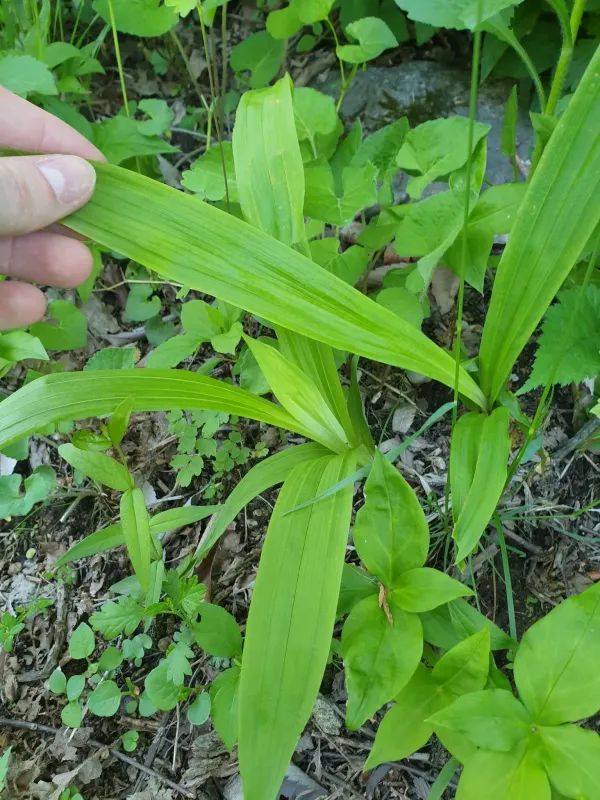
Description
Sowing dates
Propagation of Carex siderosticta is most effectively achieved through division of the rhizomes, which is best performed in early spring or early autumn.
When starting from seeds, gardeners should anticipate a requirement for cold stratification, as these seeds generally perform better after a period of chilling.
Divisions should be planted in moist, well-prepared soil, ensuring that the rhizomes are adequately spaced to allow the plant to spread effectively over time.
Young plants benefit from consistent moisture during their initial establishment phase, which helps them develop a robust root system before the summer heat.
Spacing during planting should be determined by the intended ground cover density, as this species naturally spreads through its creeping root system.
Growing requirements
Carex siderosticta is a member of the Cyperaceae family, native to the woodlands of East Asia, where it typically thrives in humid, shaded forest environments.
This perennial plant prefers fertile, organic-rich soil that mimics the texture and moisture retention of natural forest leaf mold.
It is well-suited for partially shaded or fully shaded garden areas and is known for its high winter hardiness in temperate climates.
The plant performs best in slightly acidic to neutral soil and requires protection from extreme desiccation, especially during dry spells in the growing season.
Cultural practices include providing mulch to keep roots cool and moist, as well as keeping the soil structure loose to facilitate the lateral expansion of the rhizomes.
Main diseases and pests
While generally hardy and resilient, this sedge can occasionally fall victim to root rot if it is subjected to waterlogged, poorly drained soil conditions.
Slugs and snails are the primary pests that damage the broad, attractive leaf blades, often causing unsightly holes and ragged edges during wet spring months.
Overcrowded plantings may experience poor air circulation, which can occasionally lead to outbreaks of powdery mildew during particularly humid and warm conditions.
Cultural control, such as removing debris from around the base of the plant, is an effective way to reduce the population of potential pests.
If fungal issues arise, it is recommended to adjust irrigation practices to keep the foliage as dry as possible and to ensure the site has adequate drainage.