
Carex phyllocephala
Carex phyllocephala T. Koyama
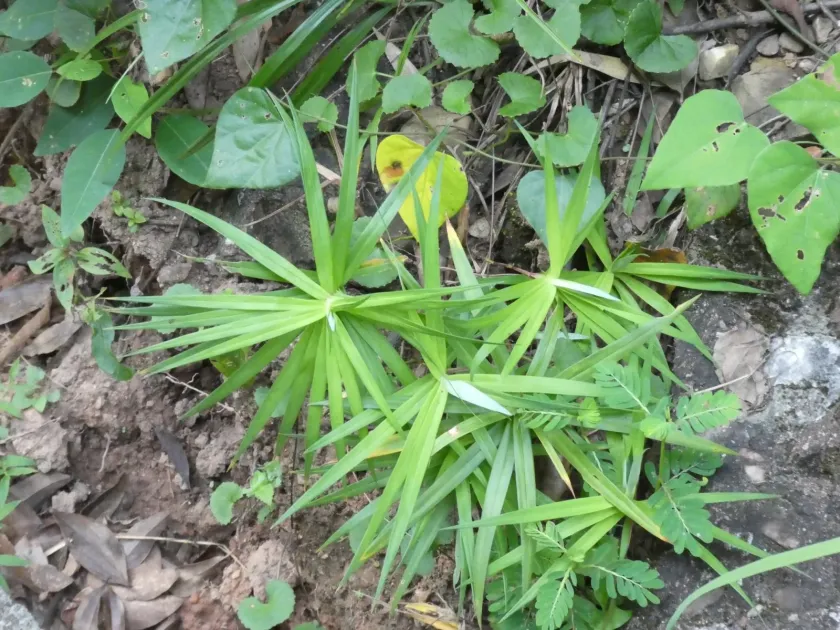
Description
Growing requirements
Carex phyllocephala is a perennial plant belonging to the Cyperaceae family. It is native to East Asia, including regions of Japan and China. In its natural habitat, it thrives in damp, shaded environments, typically near forest streams or in moist woodland pockets where soil organic matter is abundant.
The plant is characterized by its clumping habit and long, grass-like leaves which are often variegated, adding aesthetic value to any landscape. A unique botanical feature of this species is the cluster of inflorescences that appear near the leaf axils, contributing to its scientific and common names. It is considered a hardy perennial in suitable hardiness zones.
To cultivate Carex phyllocephala successfully, one must provide moist, well-draining, and nutrient-rich soil. It is highly sensitive to drought; therefore, consistent watering is essential, particularly during the peak summer months. It thrives best in partial shade, as excessive direct sunlight can scorch the delicate foliage.
Management practices include mulching around the base of the plant to maintain soil moisture levels and suppress weeds. Propagation is primarily achieved through division of the root clumps during the spring or early autumn. While it is not a heavy feeder, applying a balanced fertilizer once per growing season can improve leaf vigor.
Its primary use is in ornamental landscaping. It is highly valued as a groundcover in shaded areas, as a decorative border plant along water features, or as an accent plant in mixed containers where its architectural foliage adds contrast to broader-leaved perennials like hostas or ferns.
Main diseases and pests
The plant is generally resilient but can be susceptible to leaf spot diseases if grown in conditions with poor air circulation and excessive humidity. Maintaining proper spacing and avoiding overhead watering helps minimize these risks significantly.
Pest issues are usually minimal, though slugs and snails can occasionally graze on the foliage in wet spring weather. Inspecting the clumps regularly and keeping the surrounding area tidy will mitigate damage from these common garden pests effectively.