
Mouse-tail sedge
Carex myosurus Nees
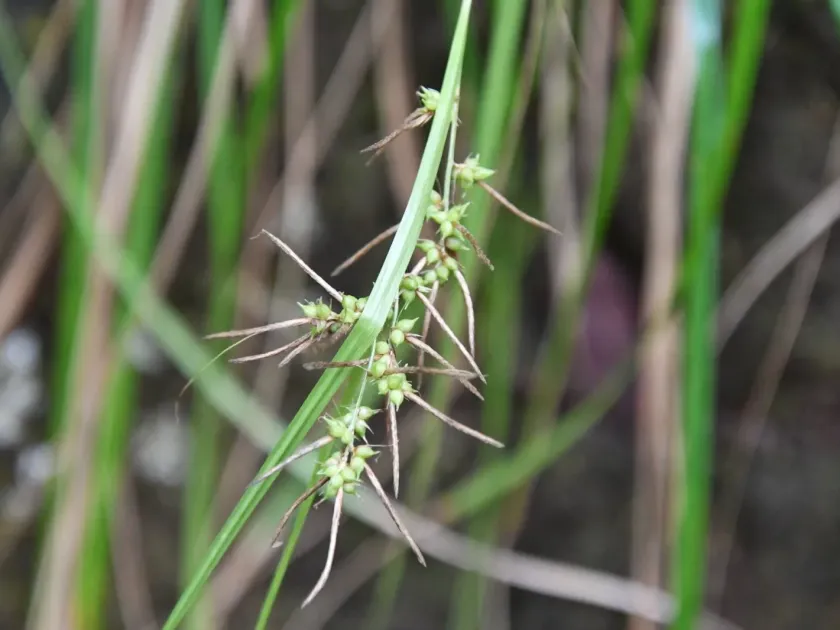
Description
Growing requirements
The mouse-tail sedge (Carex myosurus Nees) is a perennial herbaceous plant belonging to the Cyperaceae family. It is a moisture-loving species that thrives in environments where soil moisture remains consistently high, typically near water bodies or in marshy areas.
Originating from regions in South America, this plant is well-adapted to warm and humid climates. It has gained international recognition for its unique appearance and its functionality in specific environmental niches, especially within garden design.
The plant requires rich, well-drained but constantly moist soils to flourish. It has low drought tolerance, making regular irrigation a critical factor for maintaining the health and vigor of the plant during the growing season.
In terms of light exposure, the species prefers partial shade to full sun, provided that the soil does not dry out. It performs best in temperate conditions, and extreme heat accompanied by low humidity should be avoided to prevent leaf scorching.
Botanically, Carex myosurus is recognized by its dense tussocks and narrow, grass-like foliage. Its distinct inflorescences, which resemble a mouse's tail, provide significant ornamental value, making it a sought-after plant for specialized landscaping.
Yield
The primary use of mouse-tail sedge is in landscape architecture and environmental conservation rather than agricultural production. Its tough foliage is not suitable for livestock fodder, limiting its traditional agricultural value.
Landscape architects utilize this plant for its aesthetic appeal in water-themed gardens, such as pond edges and decorative streams. Its ability to create dense, textured foliage makes it an excellent choice for ground cover in wetland areas.
This species is highly valued for its soil-stabilization properties. Its robust root system helps secure stream banks and shorelines, effectively preventing erosion caused by heavy rains or changing water levels.
In addition to its decorative role, the plant contributes to organic matter buildup in garden ecosystems. When managed appropriately, it helps maintain moisture levels in the soil, which can benefit neighboring moisture-loving plants.
Productivity in terms of biomass is dependent on the availability of nutrients and water. When grown in optimal conditions, the plant displays a rapid growth rate, which can be harvested for compost if managed sustainably.
Main diseases and pests
Fungal diseases represent the most significant threat to the health of mouse-tail sedge, particularly in areas with poor airflow and excessive humidity. Leaf spot diseases are common, often appearing when the plants are overcrowded.
Pests, such as aphids and spider mites, can cause damage to the leaves during dry periods or when the plant is stressed. Maintaining a consistent moisture level is the best cultural practice to prevent these infestations.
Competition from invasive weeds can severely hinder the growth of young sedge plants. Regular maintenance, including manual weeding, is required in the initial stages of establishment to ensure the sedge can spread successfully.
Soil salinity issues caused by improper irrigation practices can lead to root damage and stunted growth. It is highly recommended to use clean, low-mineral water to avoid chemical accumulation in the substrate.
Underground pests, such as soil-dwelling nematodes, may also pose a risk by damaging the roots. Ensuring the health of the planting site through proper preparation and avoiding contaminated soil sources is essential for long-term success.