
Campanula xpulloides
Campanula xpulloides hort.
Description
Growing requirements
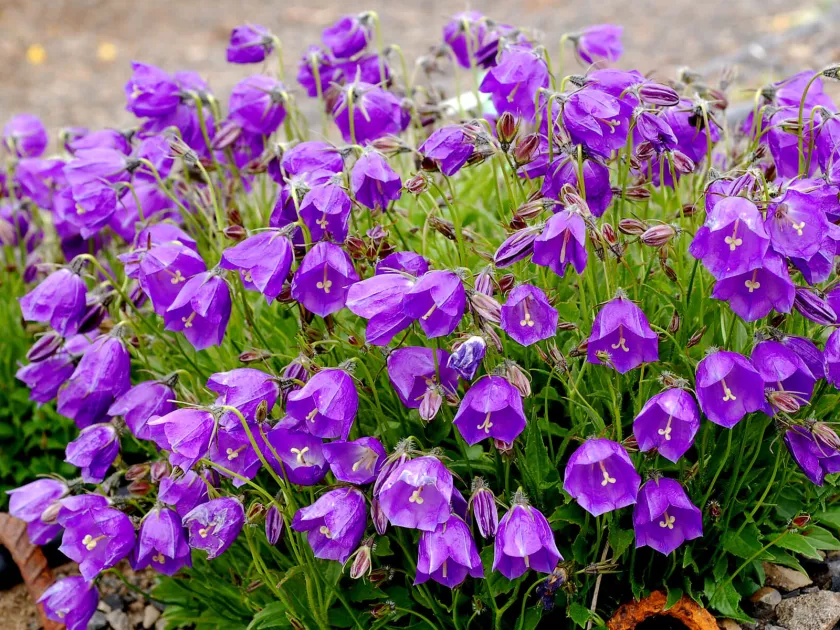
Campanula xpulloides is a highly valued ornamental perennial hybrid belonging to the Campanulaceae family. It is a cross-bred variety derived from Campanula pulla and Campanula carpatica, prized for its aesthetic appeal in landscape architecture.
The plant thrives in temperate climates and is known for its cold hardiness, making it a reliable perennial in many regions. It performs best in partial shade, where it is shielded from the intense afternoon sun while still receiving sufficient light for flowering.
Cultivation requires well-draining, fertile soil with a neutral to slightly alkaline pH level. Ensuring proper drainage is critical, as stagnant water around the root zone is one of the primary causes of decline for this specific hybrid.
Agronomic management involves consistent irrigation during the peak growing season, maintaining moist but never waterlogged soil. Providing balanced fertilizers in early spring encourages lush foliage and promotes a vigorous display of deep purple flowers throughout the season.
The primary use of this plant is in ornamental gardening, particularly in rock gardens, borders, and alpine-style landscapes. Its low-growing, spreading habit makes it an excellent choice for ground coverage in small garden spaces.
Main diseases and pests
The most common health issues for Campanula xpulloides include fungal infections such as root rot and powdery mildew, often triggered by poor site drainage or high environmental humidity.
Pests, particularly slugs and snails, present a significant threat to the plant's health, as they feed on the foliage and flower buds, significantly reducing the decorative impact of the flower beds.
To mitigate the risk of disease, gardeners should prioritize air circulation by thinning out overcrowded plantings and removing dead plant matter from the vicinity of the base.
Effective pest management involves the use of barrier controls or eco-friendly molluscicides. Regular monitoring and manual removal of pests during evening hours can also keep populations under control.
Preventative cultural practices, such as ensuring correct spacing during planting and avoiding overhead irrigation, are essential to maintaining the overall vitality of the plant throughout the growing season.