
Haylodgensis Bellflower
Campanula x haylodgensis hort
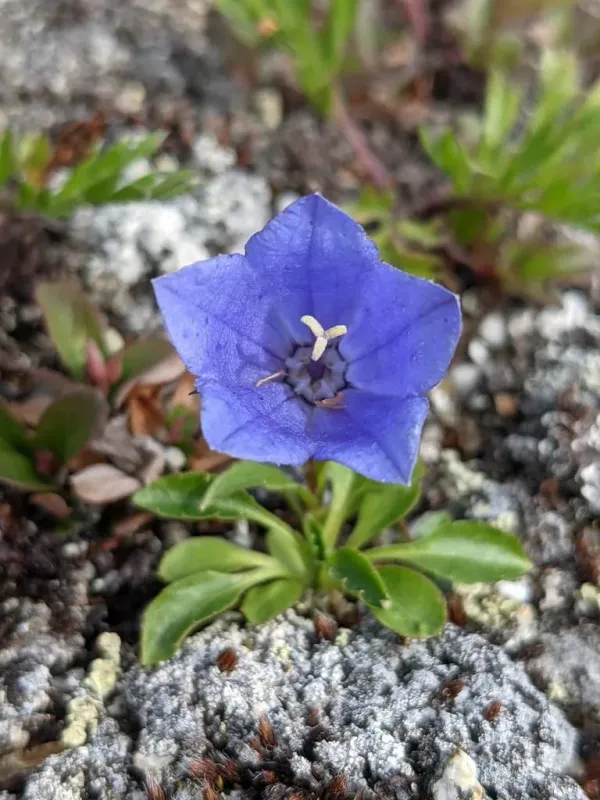
Description
Sowing dates
The Haylodgensis Bellflower is primarily propagated through division, as it is a hybrid cultivar. Dividing the root clumps is best done in early spring or early autumn to ensure the plants establish themselves before the onset of extreme temperatures.
If seeds are used, they should be surface-sown in well-prepared seed trays during the late winter months. They require light to germinate, so they should not be deeply buried, and the tray should be covered to maintain high humidity.
Once seedlings are robust enough, they should be acclimated to the outdoor environment before final planting. Space the plants approximately 25–30 centimeters apart to prevent overcrowding and allow for adequate airflow between foliage.
The site selection process is crucial for successful cultivation. Choose an area that receives morning sun but is protected from the intense heat of the afternoon sun, which can scorch the delicate leaves.
Soil preparation involves clearing the ground of perennial weeds and incorporating organic matter. A well-draining soil structure is essential for the longevity of the plant, especially in regions with frequent rainfall.
Growing requirements
As a member of the Campanulaceae family, this plant thrives in temperate climates. It requires fertile, well-draining soil with a neutral pH to perform optimally and maintain its decorative shape throughout the growing season.
Water management is the most important aspect of its care. While the plant appreciates consistent moisture during the blooming period, it cannot tolerate waterlogged conditions, which lead to root asphyxiation and decay.
Fertilization should be handled with care. A balanced, slow-release fertilizer applied in early spring is usually sufficient to support the plant throughout its flowering cycle without promoting excessive leggy growth.
Temperature considerations include protection from extreme summer heat and harsh winter winds. Providing a layer of mulch in the autumn helps protect the root system from freezing and thawing cycles in the ground.
Maintaining the plant's health also involves deadheading spent blooms. Removing faded flowers encourages the plant to direct its energy into foliage development and potential repeat blooming, enhancing its overall aesthetic appeal.
Main diseases and pests
Powdery mildew is a significant threat to the Haylodgensis Bellflower, particularly in stagnant, humid environments. Ensuring proper plant spacing and avoiding overhead watering helps to mitigate the risk of fungal outbreaks.
Root rot is a common ailment that typically indicates poor drainage or excessive irrigation. Once the roots are compromised, the entire plant may collapse rapidly, making preventative soil drainage improvements essential.
Slugs and snails are frequent visitors that can cause extensive damage to the foliage. Gardeners should employ biological controls or physical barriers, such as copper tape or crushed eggshells, to protect the young shoots.
Aphids tend to gather on the tender new growth and developing flower buds during the spring. If left unchecked, these insects can cause distorted growth and weaken the plant's natural defenses.
To ensure long-term plant vigor, remove any plant debris from the garden bed during autumn. This practice reduces the number of overwintering sites for both pests and fungal spores, promoting a healthier spring emergence.