
Tubular bellflower
Campanula tubulosa Lam.
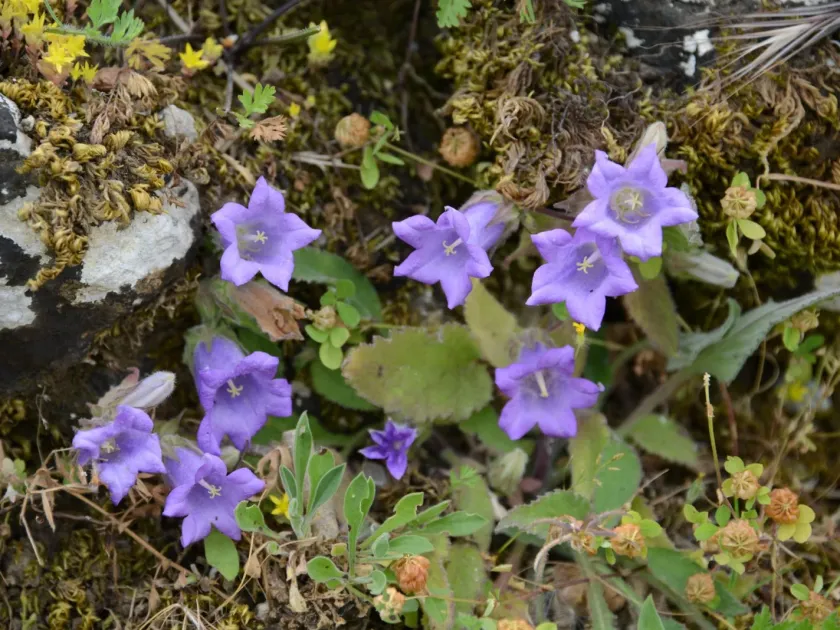
Description
Sowing dates
Sowing seeds of the tubular bellflower is best performed in early spring when the soil temperature remains consistently above 15 degrees Celsius. Seeds should be surface-sown on light, well-draining soil, as they require sufficient light to trigger the germination process.
When starting indoors, using seed trays with a mix of peat and sand ensures optimal root development. Seedlings should be kept in a bright location and protected from direct scorching sunlight until they are strong enough to be transplanted outdoors.
Spacing is essential for the tubular bellflower, as crowding can lead to poor air circulation and disease outbreaks. Planting individual specimens at least 25 centimeters apart allows for maximum growth and development of the unique tubular blossoms.
The chosen site for sowing should be protected from harsh prevailing winds that could damage the delicate stalks. A sunny or partially shaded spot is ideal for promoting vigorous health and abundant flowering throughout the season.
Preparing the seedbed with organic compost improves the structural integrity of the soil. This nutrient-rich base provides the young plants with the essential elements required for a successful transition to the outdoor environment.
Growing requirements
As a member of the Campanulaceae family, the tubular bellflower thrives in neutral to slightly alkaline, well-drained soils. Ensuring good drainage is paramount, as the species is highly susceptible to root decay if water accumulates around the base.
The plants require consistent but moderate moisture levels, particularly during the flowering phase. During periods of drought, supplemental irrigation is necessary to maintain the turgidity of the leaves and the quality of the tubular flowers.
Climatic requirements generally favor temperate zones where sudden drops in temperature are infrequent. In colder climates, providing a layer of mulch around the root zone helps protect the plant from freezing soil conditions.
Fertilization with a balanced, slow-release mineral fertilizer promotes sustained growth and bloom production. Applying fertilizer during the early stages of vegetation and again before bud formation is considered optimal practice.
Regular maintenance of the planting area is crucial, as this species competes poorly with aggressive weeds. Frequent light hoeing helps to oxygenate the soil and prevents the encroachment of competing plant life.
Main diseases and pests
Powdery mildew is a frequent challenge in humid conditions, often appearing as a white film on the leaves. Proper spacing and avoiding overhead irrigation are the most effective preventive measures against this fungal issue.
Aphids and spider mites are common pests that target the soft tissues of the tubular bellflower. Integrated pest management, including the use of neem oil or targeted insecticidal soaps, can keep infestations under control without harming the environment.
Slugs can cause significant damage to young foliage, particularly in damp environments. Utilizing physical barriers like crushed shells or dedicated traps can effectively reduce the risk of damage to the base of the plants.
Root rot is primarily associated with poor soil aeration and excessive watering. Once established, this condition is difficult to treat, making preventative soil management and strategic watering the most reliable defense.
Maintaining high plant vigor through proper nutrition and hygiene is the best way to ensure resistance to common garden pests. Regularly removing dead blooms and affected leaves keeps the garden clean and healthy.