
Rampion bellflower
Campanula rapunculus L.
Description
Sowing dates
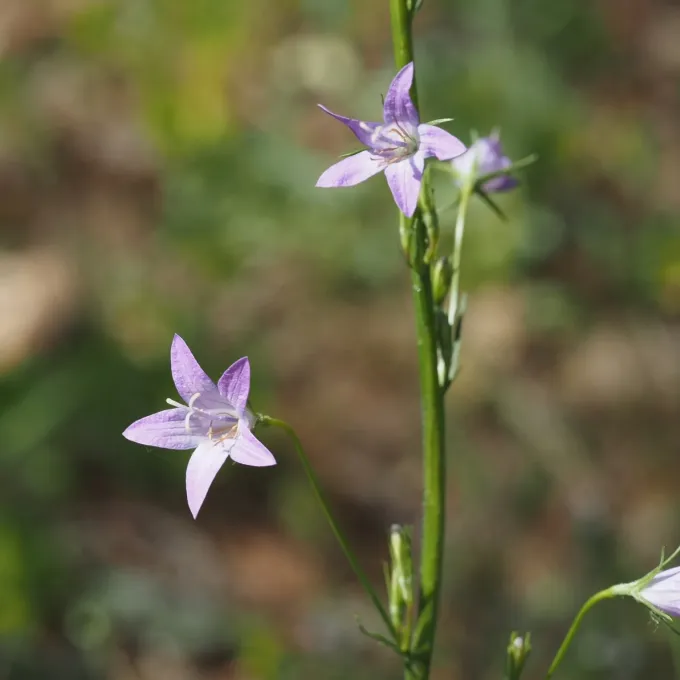
Rampion bellflower (Campanula rapunculus L.) is a biennial herb belonging to the Campanulaceae family, historically cultivated for its edible fleshy root. Sowing is typically carried out in early spring as soon as the soil is workable and has reached a temperature of at least 8 degrees Celsius.
For professional cultivation, seeds can be started in trays under controlled conditions in late winter. Seedlings are then transplanted into the field after the danger of severe frost has passed, ensuring proper plant establishment.
The seeds are extremely small, necessitating a shallow sowing depth or simply pressing them into the soil surface. Mixing seeds with fine dry sand helps to ensure uniform distribution during the sowing process.
Optimal spacing is crucial to prevent overcrowding, which can lead to poorly developed roots. Plants should be thinned to a distance of 15–20 centimeters apart within rows spaced 30 centimeters from each other.
Success in sowing relies on maintaining consistent surface moisture until germination, which usually takes 10 to 14 days. Once established, the plants show good resilience to varying environmental conditions.
Growing requirements
Rampion bellflower thrives in light, fertile, and well-drained soils. Sandy loam or loose organic-rich soils are ideal for root development, as they allow the fleshy root to expand without resistance or deformation.
The crop prefers a sunny or partially shaded location. While it is somewhat adaptable, exposure to direct sunlight for at least half the day promotes better leaf rosette growth and root nutrient accumulation.
Water requirements are moderate, but consistent soil moisture is necessary to prevent the roots from becoming woody or bitter. During dry spells, supplemental irrigation is recommended to maintain vegetative vigor.
Soil pH should ideally be near neutral, ranging from 6.0 to 7.5. Acidic soils may require the application of lime to optimize nutrient availability for the growing plant.
Effective management includes regular weeding, as the crop does not compete well with vigorous weeds in the early stages of its growth. Mulching around the plants can help suppress weeds and retain soil moisture.
Yield
The yield of Rampion bellflower is determined by the development of the fleshy root, which matures by the end of the first growing season. High-quality roots are typically 10–15 centimeters long and provide a tender, nutty-flavored harvest.
Besides the root, the leafy rosettes are harvested for use as fresh salad greens throughout the season. This dual-purpose utility adds value to the crop, making it a versatile vegetable for specialty markets.
Yields can be maximized through balanced fertilization. High levels of phosphorus and potassium support root development, while limiting excess nitrogen prevents leafy overgrowth at the expense of root weight.
In optimal conditions, the harvest can provide a significant quantity of nutritious produce per hectare. It is highly valued in gourmet cuisine for its unique culinary properties and health benefits.
Consistent agronomic practices, such as proper irrigation and soil aeration, result in larger, more succulent roots that command a higher price in the specialty vegetable sector.
Main diseases and pests
Slugs and snails represent the primary threat to the crop, particularly during the seedling stage. Implementing physical barriers or organic pest control methods is essential to protect the tender foliage from damage.
Powdery mildew can become an issue if the planting density is too high or if air circulation is poor. Thinning the plants and ensuring adequate spacing are the most effective preventative cultural practices.
Soil-borne pests like wireworms may occasionally attack the developing roots. Practicing proper crop rotation helps in minimizing the population of these pests and maintaining soil health.
Root rot occurs primarily in waterlogged soils. Ensuring excellent drainage through soil preparation or raised beds is a critical agronomic requirement for growing this species successfully.
If fungal diseases are detected, the affected plants must be removed immediately to prevent spread. Biological fungicides may be applied in severe cases to protect the rest of the crop.
Harvesting
Harvesting usually occurs in late autumn when the leaves begin to turn yellow, indicating that the root has reached its maximum size and nutrient storage capacity.
Roots should be carefully lifted with a garden fork to avoid damaging the skin, as physical injury significantly shortens the shelf life of the produce. Gentle handling is essential for maintaining post-harvest quality.
After harvesting, the foliage is trimmed, leaving a small portion of the stem attached to the root. The roots are then cleaned of soil and graded for market or storage purposes.
For storage, Rampion bellflower roots should be kept in a cool, humid environment. Packing them in slightly damp sand within a cold cellar allows for successful storage throughout the winter months.
Seed production requires leaving selected plants in the ground over the winter. Harvesting the seeds occurs in the second year once the seed pods have fully matured and darkened to ensure viability.