
Spotted bellflower
Campanula punctata x Campanula trachelium
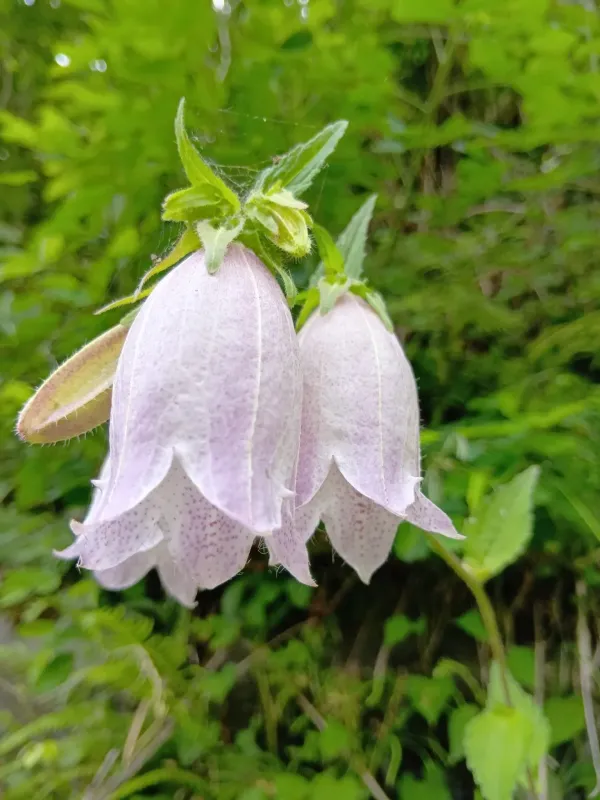
Description
Sowing dates
Sowing spotted bellflower seeds is best initiated in early spring using a seed tray filled with a high-quality, lightweight potting mix. Because the seeds are extremely tiny, they should be sprinkled onto the surface of the soil rather than buried.
Cover the tray with a clear plastic lid or film to maintain high humidity levels essential for germination. Place the tray in a warm, brightly lit area, avoiding direct sunlight, which could scorch the developing seeds.
Germination generally occurs within two to three weeks under consistent temperatures of about 18 to 20 degrees Celsius. Once the seedlings emerge, it is critical to introduce ventilation to prevent damping-off diseases.
Seedlings should be transplanted into individual cells once they have developed their first set of true leaves. This step allows each plant to establish a stronger root system before being hardened off for outdoor life.
Direct outdoor sowing can also be performed in the autumn, allowing the seeds to benefit from winter stratification. This natural process often leads to more robust seedlings when spring conditions finally arrive.
Growing requirements
Spotted bellflower thrives best in partial shade conditions, particularly in areas where it receives protection from the harsh afternoon sun. Rich, fertile soil that drains well is essential for the plant's health.
Maintain consistent soil moisture throughout the growing season, but be careful never to waterlog the site. The crown of the plant should remain relatively dry to avoid rot, while the roots enjoy the cool, damp earth.
Apply a balanced, slow-release fertilizer during the early spring to provide essential nutrients for the upcoming flowering season. Avoid excessive use of nitrogen, as this will result in lush foliage but fewer blooms.
Mulching the base of the plants with a thin layer of organic matter helps retain soil moisture and discourages the growth of opportunistic weeds. This also serves to keep the root zone cool during periods of high heat.
Proper spacing is a vital management technique, allowing for adequate air movement through the foliage. Adequate space reduces the likelihood of humidity-related issues that frequently plague dense plantings.
Main diseases and pests
Fungal issues, such as powdery mildew, are the most frequent health threats to this species in stagnant, humid environments. Ensuring good air circulation is the most effective preventative measure against such outbreaks.
Slugs and snails are notorious for feeding on the foliage of bellflowers, often leaving behind unsightly holes. Applying crushed eggshells or using organic baits around the perimeter can effectively mitigate this damage.
Aphids may congregate on the developing flower buds, sucking sap and weakening the plant's ability to produce vibrant blooms. If infestations occur, neem oil or insecticidal soap are recommended treatments.
Root rot is a common symptom of poorly drained soils or excessive irrigation. When diagnosed, it is often necessary to improve soil structure with additional sand or compost and to reduce the watering frequency significantly.
Routine garden sanitation, including the removal of dead leaves and debris at the end of the season, helps reduce the population of overwintering pathogens. Keeping the planting area clean is essential for long-term vitality.