
Spotted bellflower
Campanula punctata Lam. x Campanula takesimana Nakai
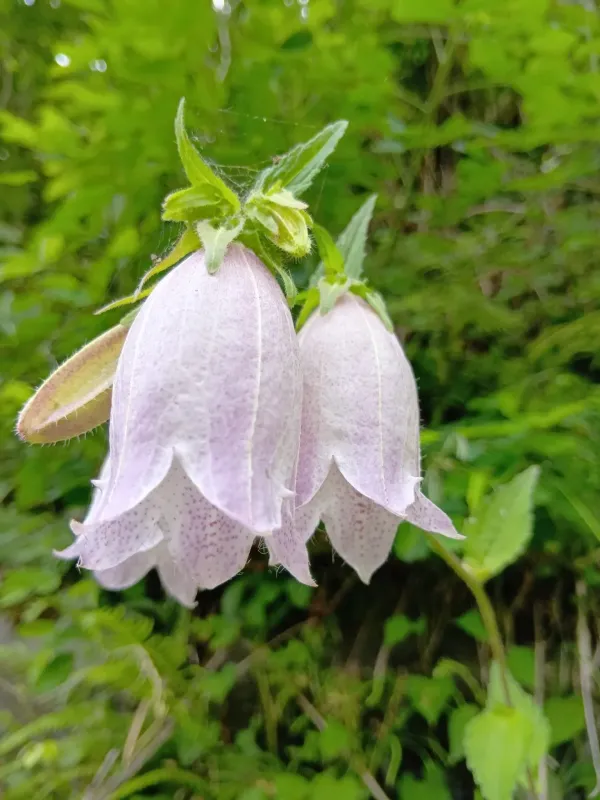
Description
Sowing dates
Sowing seeds of the spotted bellflower is typically performed in late autumn or early spring, as soon as the soil can be worked.
When starting indoors, seeds should be surface-sown in light, moist soil in March, as they require exposure to light to germinate.
Temperatures around +18 to +20 degrees Celsius are optimal for successful germination, which usually occurs within two to three weeks.
Seedlings should be thinned or transplanted once they develop at least two true leaves, allowing them to establish a strong root system.
Planting spacing is crucial; given the plant's creeping habit, setting plants 30 to 40 centimeters apart provides sufficient room for growth.
Growing requirements
This species thrives in fertile, well-draining, and moisture-retentive soils with a neutral or slightly acidic pH balance.
While the plant can tolerate full sun in cooler regions, it generally prefers partial shade to protect its delicate foliage from heat stress.
Consistent moisture is vital for the spotted bellflower, especially during the peak of summer, to prevent the wilting of its stems.
Improving soil fertility with compost or organic matter before planting ensures a more vigorous growth and a longer flowering duration.
Adequate drainage is necessary to prevent waterlogged conditions, which the plant does not tolerate, often leading to crown rot.
Main diseases and pests
Powdery mildew is a common fungal issue that affects the foliage during periods of high humidity and poor air circulation.
Root rot is a significant risk in poorly drained soils, often exacerbated by over-irrigation or stagnant water after heavy rainfall.
Slugs and snails are the most frequent garden pests, as they feed on the young shoots and leaves, leaving unsightly holes in the plant.
Aphids may infest the flower buds during the growing season, requiring prompt management to preserve the plant's aesthetic value.
Maintaining a clean garden bed and ensuring adequate spacing between plants significantly reduces the incidence of these common threats.
Harvesting
The flowering period spans from June through July, which is the ideal time to harvest the stems for floral arrangements.
Cut the stems when the buds are beginning to open to ensure the flowers last as long as possible in a vase or decorative display.
Deadheading faded blooms throughout the season encourages the plant to direct its energy towards new growth and potential late-season flowers.
As the plant enters dormancy in late autumn, cut the stems down to the ground to keep the garden tidy and prevent disease carryover.
Collect seeds once the pods turn brown and dry, ensuring they are stored in a cool, dark, and dry environment until the next sowing season.