
Dalmatian bellflower
Campanula portenschlagiana Schult.
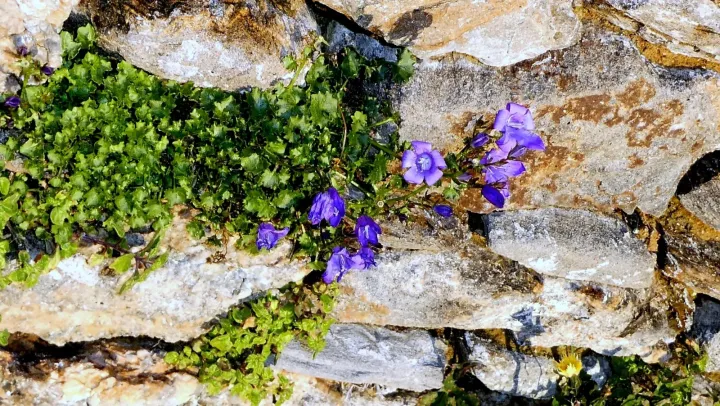
Description
Sowing dates
Propagation of the Dalmatian bellflower is primarily achieved through division or seed sowing. Seeds should be sown in spring into a well-draining substrate, kept in light as they require exposure for germination, and protected from direct harsh sunlight.
Transplanting into the garden is best performed once the threat of late spring frosts has passed. Spacing is crucial; placing plants about 20–30 centimeters apart allows for rapid spreading and the formation of a dense, flowering groundcover.
Division is an effective method for rejuvenating older, established clumps. This process should ideally be carried out in early spring or autumn, providing the plants enough time to establish their root systems before extreme temperatures occur.
Stem cuttings represent another reliable way to propagate this species. Young, non-flowering shoots taken in early summer can be rooted in a moist, sandy medium under shaded conditions to ensure a high success rate.
Young plants require consistent attention during their first weeks in the ground. Ensuring adequate moisture while preventing waterlogging is essential for the healthy development of a robust and long-lasting perennial colony.
Growing requirements
The Dalmatian bellflower belongs to the Campanulaceae family. It is a hardy, low-growing perennial native to the limestone mountains of the Balkans, adapted to growing in tight rock crevices and well-drained alpine environments.
This species thrives in fertile, well-draining soil with a neutral to slightly alkaline pH. Heavy clay soils are unsuitable unless amended with grit or organic matter, as the plant is highly susceptible to root rot in stagnant water.
It prefers full sun to partial shade. In warmer climates, protecting the plant from the intense afternoon sun is highly recommended to preserve the vibrancy of the foliage and extend the duration of the blooming period.
Watering should be moderate, allowing the soil to dry out slightly between applications. Consistent moisture is beneficial, but the plant's alpine heritage makes it reasonably tolerant of brief periods of drought once well-established.
Pruning plays a significant role in maintenance; removing spent flower stalks encourages a secondary flush of blooms. The plant is considered fully hardy and typically survives winters without additional protection in temperate climate zones.
Main diseases and pests
Root rot is the most serious threat to Dalmatian bellflower, almost always caused by waterlogged soil conditions. Ensuring the planting site has excellent drainage is the primary defense against this fatal disease.
Slugs and snails are major pests that frequently consume tender young leaves and buds. Using physical barriers like crushed eggshells or gravel mulch, as well as regular garden hygiene, can significantly reduce the pressure from these pests.
Aphids can occasionally cluster on the stems and developing flower buds. While rarely fatal, they can weaken the plant and reduce its aesthetic appeal, requiring intervention with soap sprays or systemic insecticides if the infestation is heavy.
Powdery mildew may occur if the plants are placed in areas with poor air circulation. Proper spacing and avoiding overhead watering help keep the foliage dry and reduce the likelihood of fungal infections developing.
Maintaining a clean garden environment is vital for plant health. Clearing away dead plant debris in the autumn helps remove potential overwintering sites for various pests and fungal pathogens, ensuring a healthy spring growth cycle.