
Canterbury bells
Campanula medium L.
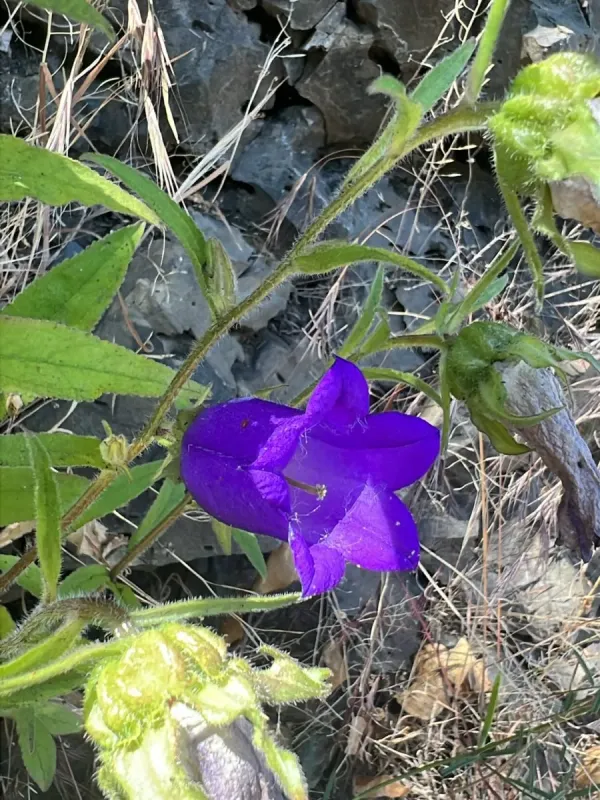
Description
Sowing dates
Canterbury bells (Campanula medium L.) belongs to the Campanulaceae family and is recognized as a staple biennial garden plant, widely valued for its vibrant, bell-shaped flowers.
The optimal time for sowing is during the summer months, typically from June to July, allowing the plant to establish a robust rosette of basal leaves before the winter season begins.
Since the seeds are extremely small, they require surface sowing; they should be lightly pressed into moist soil without being buried deep, as light is essential for successful germination.
Once the seedlings have developed their first true leaves, they should be thinned out or transplanted, ensuring adequate spacing to promote strong root development and minimize competition.
Transplanting to their permanent location in the garden is recommended in late summer, with a spacing of 30 to 40 centimeters to ensure good airflow and sufficient space for the second-year growth.
Growing requirements
This species thrives in sunny locations; however, in regions with intense summer heat, partial shade is beneficial to prevent leaf scorch and ensure the longevity of the flowers.
The ideal growing medium consists of fertile, well-draining soil with a neutral to slightly alkaline pH level, as the plant is highly sensitive to waterlogged conditions.
Adequate drainage is the most critical factor for success, as stagnant water around the root system frequently leads to rot and plant loss, particularly during the dormant period.
Regular fertilization with a balanced complex fertilizer is recommended during the bud-forming stage to enhance the overall vigor of the plant and ensure larger, more vibrant blooms.
While moisture is necessary for growth, excessive overhead watering should be avoided to prevent moisture from settling on the foliage and reducing the risk of fungal infections.
Main diseases and pests
Fungal diseases such as root rot and Fusarium wilt are common threats to Canterbury bells, particularly when soil moisture management is neglected or soil drainage is insufficient.
Powdery mildew may also occur during periods of high humidity and low air circulation, appearing as a white dusting on the foliage and requiring immediate fungicidal intervention.
Slugs and snails are major pests that target young rosettes; their presence can cause significant damage in the early stages of development, necessitating the use of protective barriers or baits.
Aphids can also be a significant issue, as they cluster on the flower stalks to extract sap, leading to stunted or deformed blossoms if not treated with appropriate insecticides.
To reduce the likelihood of these problems, maintain garden hygiene by removing plant debris and ensuring that the planting density allows for adequate light and air penetration.
Harvesting
Canterbury bells are primarily grown as high-quality cut flowers, favored for their sturdy, tall stems and the long-lasting appeal they provide in floral arrangements.
Harvesting is typically done when the lower flowers on the stalk are fully open, which ensures the maximum vase life and aesthetic performance of the cut stems.
In landscaping, these plants are highly regarded for their dramatic vertical presence, making them ideal candidates for the back or middle sections of herbaceous borders.
To gather seeds for the next season, allow the capsules to turn brown on the plant, then harvest, dry thoroughly, and store in a cool, dark, and dry environment.
Effective seed storage is essential, as the viability of Canterbury bells seeds can decline significantly if they are exposed to moisture or extreme heat during the off-season.