
Broad-leaved bellflower
Campanula latiloba A. DC.
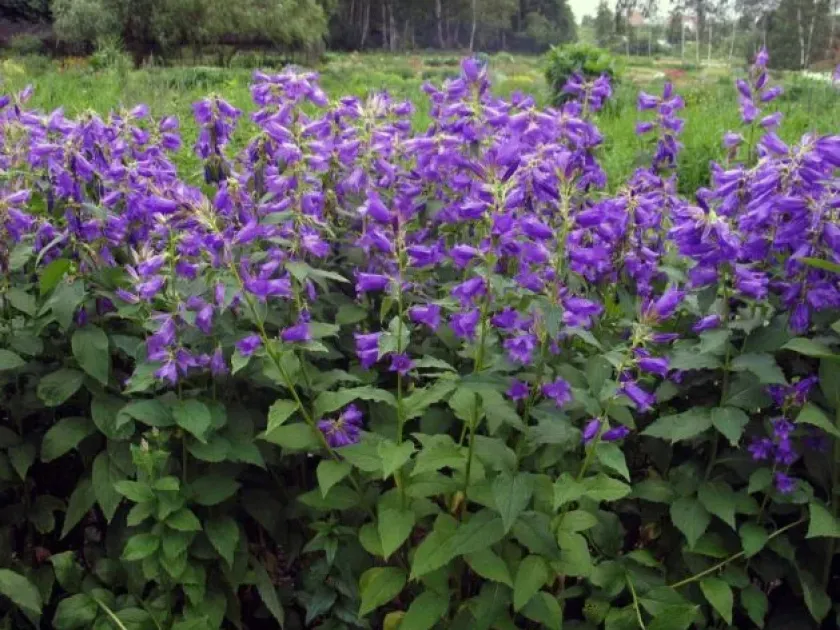
Description
Sowing dates
Sowing seeds of the broad-leaved bellflower (Campanula latiloba) in open ground is typically planned for late spring or autumn for natural stratification. The optimal temperature for seed germination is approximately 18–20 degrees Celsius.
For early seedlings, seeds are sown in protected environments during March. The seeds should be distributed over the surface of the growing medium and left uncovered, as light is essential for their germination.
Maintaining high humidity is crucial during the early stages; covering containers with transparent plastic film helps sustain moisture until the first sprouts appear. Pricking out is performed once two true leaves are developed.
Transplanting seedlings to their final location in the garden or field is done when a strong rosette of basal leaves has formed. Maintaining a spacing of 30–40 centimeters ensures proper plant development.
Vegetative propagation via division of the root clump is also a successful method. This should be performed in early autumn to allow the plant enough time to establish its root system before winter frost.
Growing requirements
The broad-leaved bellflower belongs to the Campanulaceae family and is a robust perennial. Being native to woodland edges and forests, the plant naturally prefers partial shade and a moderate climate.
The crop requires fertile, well-drained soils with a neutral or slightly alkaline pH. Heavy or waterlogged soils should be amended with organic compost or sand to improve structure and drainage capabilities.
Water management is a key aspect of care; while the plant dislikes excessive waterlogging, it is sensitive to prolonged drought. Consistent, moderate irrigation during the active growth phase is recommended.
Regular fertilization with mineral complexes supports healthy foliage and blooms. Nitrogen-based fertilizers are best applied in early spring, while phosphorus and potassium promote vigorous flower formation.
Mulching the soil around the base of the plants helps in moisture retention and weed control. This practice also provides an additional layer of organic matter that feeds the plant over the growing season.
Main diseases and pests
Fungal diseases, particularly powdery mildew, are the most significant threats to the broad-leaved bellflower, especially in environments with poor air circulation and high atmospheric humidity.
Root rot is a common issue in poorly drained soils. The best preventive measure is ensuring that the soil structure is light enough to prevent water accumulation near the root crown.
Slugs and snails often pose a challenge by feeding on the leaves and young flower stalks. Using physical barriers or bait traps is effective in reducing their impact on the garden beds.
Aphids may occasionally infest the plants, causing distorted growth. If an infestation occurs, application of systemic insecticides or insecticidal soaps is recommended to keep populations under control.
Sanitation is a vital part of pest and disease management. Cleaning up dead plant debris in late autumn removes potential overwintering sites for both fungi and various insect pests.