
Scrub cypress
Callitris verrucosa
Description
Growing requirements
Callitris verrucosa, commonly known as the scrub cypress, is a hardy coniferous species within the Cupressaceae family. Native to the arid and semi-arid zones of Australia, this tree has evolved highly specialized physiological traits to thrive in nutrient-poor, sandy environments.
The species is defined by its impressive tolerance to environmental stress, including severe heat and prolonged drought. For successful cultivation, it requires full sun exposure and an exceptionally well-draining soil profile to mimic its natural habitat conditions.
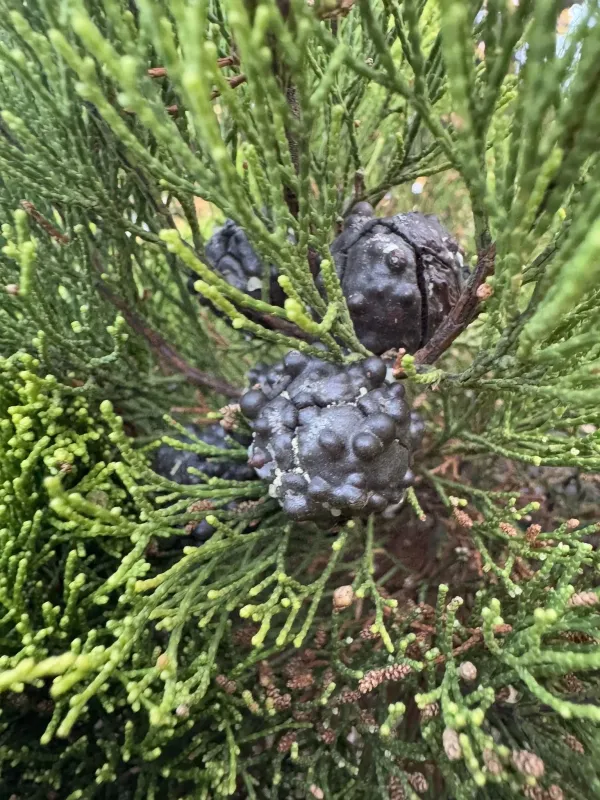
Botanically, the plant is identified by its distinctive warty-textured cones, which serve as a primary diagnostic feature. The foliage consists of small, scale-like leaves that are pressed closely against the stem to minimize transpiration, a crucial adaptation for desert survival.
Agronomic management of this species focuses on limiting water input once the plant has established itself in the landscape. Over-irrigation is the most common management error, as it frequently induces root rot and compromises the structural integrity of the tree.
Economically, Callitris verrucosa is valued for its dense, aromatic wood, which possesses natural termite resistance. Beyond timber production, it serves as a critical component in land reclamation projects and xeriscaping, providing ecological stability in harsh, dry climates.
Main diseases and pests
The primary pathological threats to Callitris verrucosa involve fungal infections that thrive in poorly drained soils. Root decay can be rapid if the surrounding environment remains saturated for extended periods, leading to yellowing and subsequent tree collapse.
Insect pests, particularly wood-boring beetles, pose a recurring risk to the vitality of the scrub cypress. These organisms target drought-stressed or injured specimens, making vigilant monitoring and proper pruning essential to maintain the long-term health of the plantation.