
White Cypress Pine
Callitris columellaris
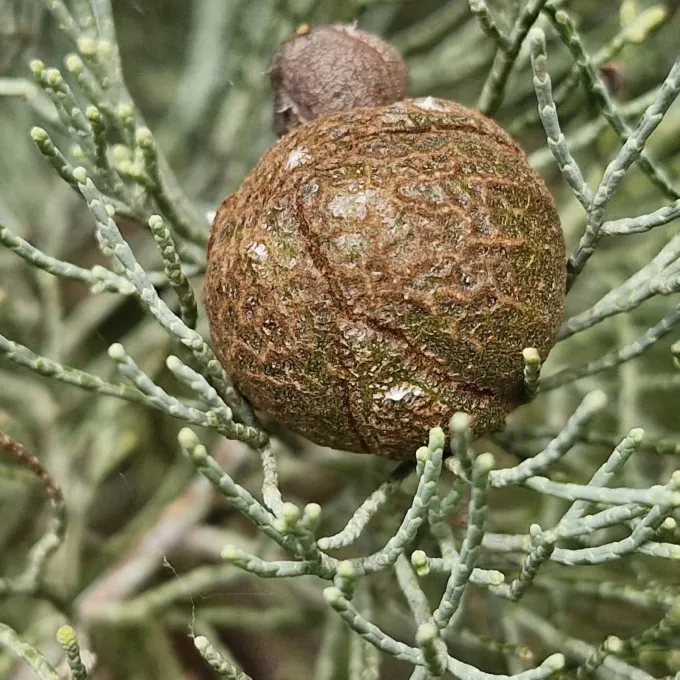
Description
Growing requirements
Callitris columellaris, widely known as the White Cypress Pine, is a significant member of the Cupressaceae family. It is native to Australia, where it has evolved to thrive in diverse and often harsh environmental conditions across the continent.
This species is highly drought-tolerant and performs best in well-drained sandy or loamy soils. It avoids areas prone to waterlogging, as its root system requires good aeration to maintain health and vigor throughout its growing cycle.
Cultivation requires full sun exposure to ensure optimal development of the crown and trunk. As a light-demanding tree, it is unsuitable for dense forest understories and is best managed in open-stand plantations or windbreak configurations.
The agronomic management of this crop involves minimal fertilization, as it is naturally adapted to low-nutrient soils. However, establishing strong root systems during the first year is crucial, which may require periodic watering in exceptionally dry periods.
The economic value of Callitris columellaris is driven by its dense, fragrant, and durable timber. Because the wood is naturally resistant to termite attack and fungal decay, it is highly valued for construction, decorative fencing, and high-quality furniture making.
Main diseases and pests
The primary threats to Callitris columellaris plantations include root rot pathogens, which are encouraged by excessive soil moisture and poor drainage management. Regular site evaluation is essential to prevent large-scale infestation.
Pests such as bark beetles and various wood-boring insects can cause damage, particularly in stressed or over-mature trees. Proactive forest management, including the removal of dead or dying wood, is the best strategy for control.
Young plantations are vulnerable to grazing by wild animals and rodents, which can girdle the stems. The use of tree guards or fencing is a standard practice for ensuring successful establishment of new stands in agricultural settings.
Environmental stressors, especially extreme fire events, represent the most significant risk. Developing strategic firebreaks around plantations is an essential agronomic requirement for long-term sustainability and protection of the asset.
Nutrient deficiencies, though rare, can be managed with targeted application of slow-release fertilizers. Monitoring the foliage color helps detect early signs of stress or improper soil pH levels, allowing for rapid corrective actions.