
Grey cypress pine
Callitris canescens
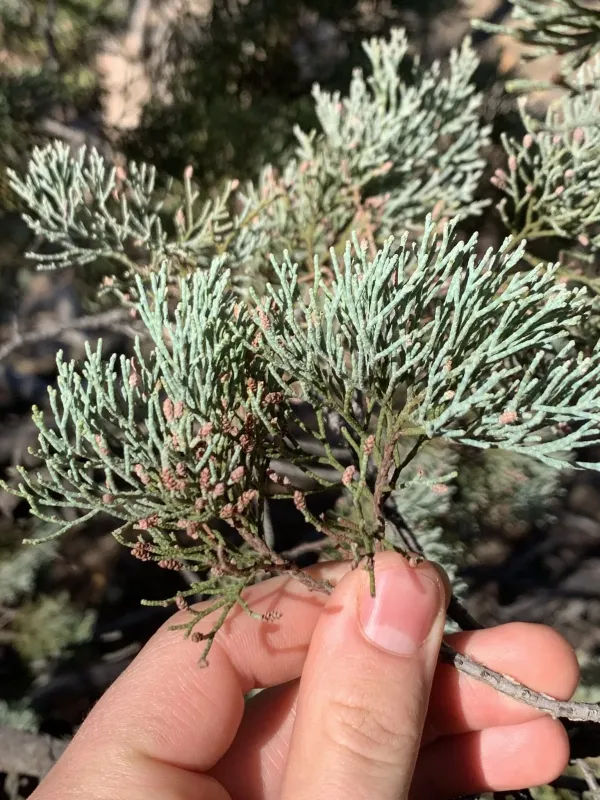
Description
Growing requirements
Callitris canescens, commonly known as the Grey cypress pine, is an evergreen coniferous species belonging to the Cupressaceae family. Native to the arid regions of Western Australia, it has evolved to thrive in environments characterized by low rainfall and high temperature fluctuations.
This species requires sandy or stony, well-drained soils to maintain health. It is highly intolerant of waterlogged conditions, which can lead to rapid root decay, making soil texture selection a primary focus for agronomists and landscape managers working with this species.
The cultural requirements are centered on full sun exposure and minimal moisture availability. It shows exceptional resilience to heat stress and drought, positioning it as an ideal candidate for desert greening projects and arid climate landscaping where water management is crucial.
Botanically, it features glaucous, grey-green foliage and produces small, woody cones that open upon maturation. The growth habit is generally slow and steady, resulting in a robust, medium-sized tree that can withstand harsh winds and intense solar exposure without significant tissue damage.
Economically, Callitris canescens is valued for its potential in soil stabilization and environmental restoration projects. While not a major timber species due to its size, its durability and aesthetic appeal make it a popular choice for xeriscaping and sustainable forestry in arid regions.
Main diseases and pests
Root pathogens, particularly those thriving in stagnant moisture, are the primary biological threat. Maintaining proper drainage and preventing soil compaction are essential strategies to prevent fungal colonization and ensure the longevity of the root system in cultivated stands.
Pest activity, including wood-boring insects, can occasionally impact the vitality of the tree, especially in stressed specimens. Regular health assessments and the removal of heavily infested or damaged branches help to keep the trees healthy and reduce the risk of secondary infections.