
Mountain cypress pine
Callitris monticola
Description
Growing requirements
The mountain cypress pine (Callitris monticola) is an evergreen coniferous species belonging to the Cupressaceae family. It is native to the mountainous regions of Australia, where it is well-adapted to rocky and nutrient-poor soils.
In terms of agricultural requirements, this crop demands excellent soil drainage. It thrives in well-aerated substrates and is highly intolerant of waterlogged soil conditions, which can lead to rapid root decay.
The species requires full sunlight exposure to maintain its characteristic structure and health. It is remarkably drought-tolerant, making it an excellent candidate for reforestation in arid or semi-arid environments where other tree species struggle.
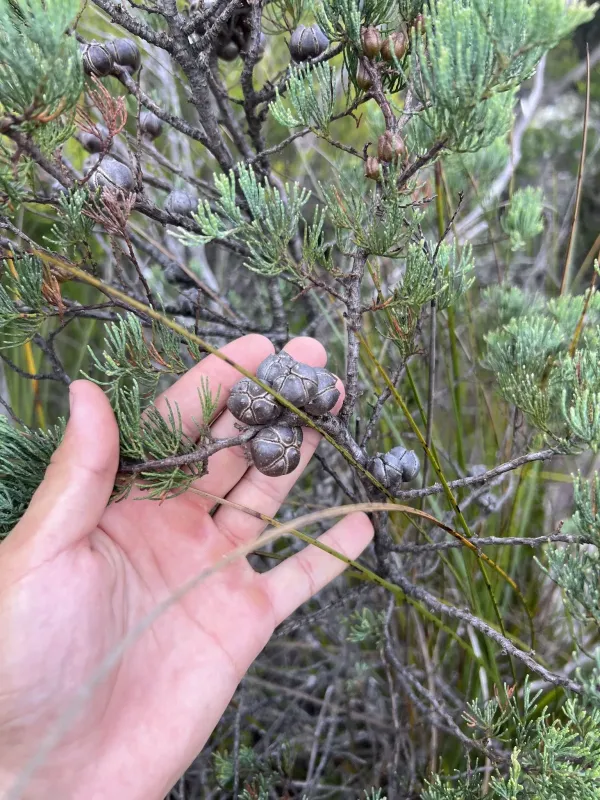
Botanical features include distinct, woody cones and small, scale-like leaves. The wood produced by this tree is known for its high density, aromatic properties, and exceptional durability, often used in specialized construction.
The practical application of the mountain cypress pine is primarily in landscape gardening, erosion control, and sustainable forestry projects that focus on drought-resilient plant species.
Main diseases and pests
Root rot is the most significant threat to Callitris monticola, typically occurring when moisture levels in the soil exceed the plant's tolerance threshold. Proper drainage management is critical.
Common pests include scale insects and various species of mites that can affect young growth. Regular monitoring is essential, particularly in nursery settings where plant density is high.
Fungal infections can also occur due to poor air circulation within the canopy. Pruning to maintain an open structure is recommended to reduce humidity buildup around the branches.
Integrated pest management strategies should be employed, focusing on biological controls where possible to maintain the ecological balance of the site.
Routine inspections for signs of stress, such as yellowing foliage or bark lesions, allow for early intervention and effective control of potential threats to the plantation.