
Bailey cypress
Callitris baileyi
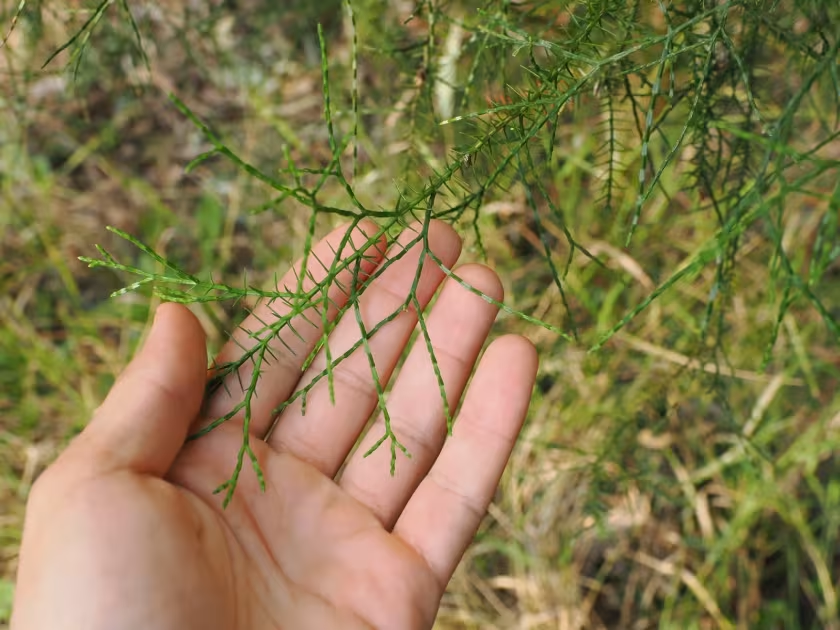
Description
Growing requirements
Bailey cypress is an evergreen coniferous tree belonging to the Cupressaceae family. Native to Australia, it is found naturally within the dry forests of Queensland and New South Wales, thriving in diverse, rugged landscapes.
This species performs best in well-drained, sandy, or rocky soils, demonstrating high tolerance to drought conditions. It is specifically adapted to environments where water availability is periodic rather than constant.
Regarding climate, Bailey cypress requires warm, subtropical conditions. While it is hardy in many respects, it needs full sun exposure and protection from severe frosts which can damage the delicate foliage of young plants.
Agricultural practices focus on minimal intervention once the root system is established. Proper site selection is crucial to avoid waterlogged conditions that lead to root rot. Soils with a neutral pH are generally preferred for optimal nutrient uptake.
Economically, the species is highly valued for its durable, rot-resistant wood, which is often utilized for construction and fencing. It also serves an aesthetic role in landscaping, providing a unique texture to arboretums and large gardens.
Main diseases and pests
The primary threats to Bailey cypress involve fungal pathogens, particularly in poorly drained environments. Phytophthora root rot is a major risk factor if moisture levels remain high for extended periods.
Insect pests, including various wood-boring beetles, can affect the health of the trees, especially if the specimens are already under environmental stress. Monitoring for signs of boring activity is recommended.
Weed competition is a significant threat during the early stages of establishment. Without proper management, fast-growing invasive species can outcompete the young cypress for sunlight and soil nutrients.
Foliage-feeding mites can occasionally cause damage, resulting in discoloration and reduced vigor. Proper spacing between trees helps improve air circulation, reducing the risk of pest outbreaks.
To ensure long-term health, regular inspections for mechanical damage caused by wind or wildlife are essential. Damaged branches should be pruned cleanly to prevent the entry of wood-decay fungi.