
Callitris endlicheri
Callitris endlicheri
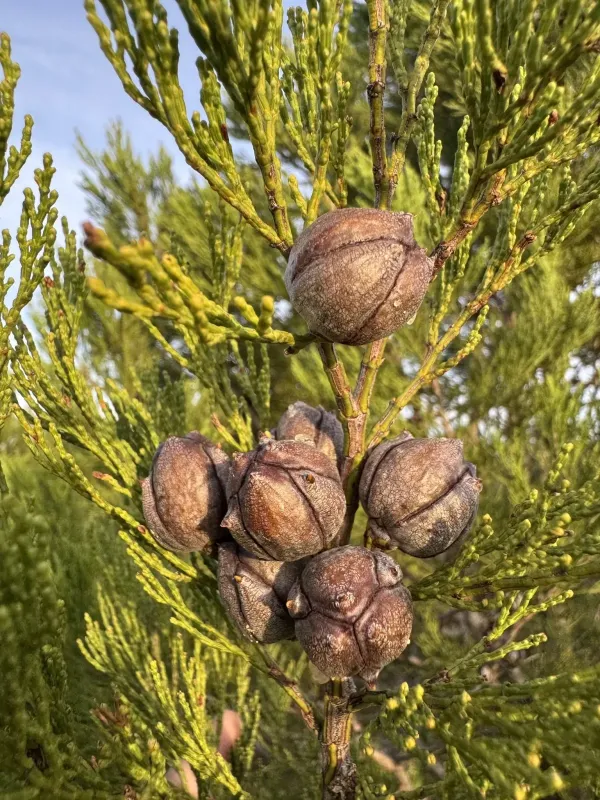
Description
Sowing dates
Callitris endlicheri is primarily propagated through seeds, which must be collected from mature, healthy cones. Seed germination requires a stable environment with consistent moisture and protection from extreme temperatures.
The optimal sowing time is typically during the early spring. Before sowing, seeds benefit from a short period of stratification to break dormancy and ensure a uniform germination rate across the nursery beds.
A well-draining, sandy loam substrate is essential for seedbeds. Avoiding excessive depth during sowing is crucial; covering seeds lightly with fine soil allows for optimal gas exchange and penetration of light.
Seedlings require a controlled climate in the initial stages. Regular misting is preferred over heavy watering to avoid damping-off diseases, which the young conifer sprouts are particularly susceptible to.
After reaching a robust stage of growth, usually after two seasons, the saplings are hardened off. This process prepares the plants for transplantation to permanent field locations, ensuring higher survival rates.
Growing requirements
Belonging to the Cupressaceae family, Callitris endlicheri is a species native to southeastern Australia. It is evolutionarily adapted to rocky, nutrient-poor, and well-draining soil types.
The species demonstrates exceptional drought tolerance. It thrives in regions with low annual rainfall, where other coniferous species might struggle to survive due to water competition or heat stress.
Full sun exposure is a non-negotiable requirement for this plant. In environments with insufficient sunlight, the tree will exhibit stunted growth and loss of its characteristic density in the canopy.
The soil pH should ideally be neutral or slightly acidic. The presence of good internal drainage is more important than soil fertility; therefore, it is often found on slopes and ridges in its natural habitat.
While the tree can handle temperature fluctuations, it is susceptible to prolonged, severe frost events. Proper site selection in colder zones should account for air drainage to minimize frost damage to the foliage.
Yield
The timber of Callitris endlicheri is highly regarded for its physical durability and resistance to termite attacks. These properties make it a premium material for construction and high-quality joinery.
Furniture manufacturing is a significant commercial use for this timber. Its aromatic properties and beautiful grain patterns allow for the creation of unique, long-lasting decorative pieces.
In terms of forest management, this tree is valuable for soil stabilization and environmental restoration. Its extensive root system prevents soil erosion on degraded and arid landscapes.
The tree also contributes to carbon sequestration in dryland forestry initiatives. Its ability to grow in challenging conditions makes it a sustainable choice for long-term reforestation projects.
By-products such as aromatic oils extracted from the heartwood have potential applications in the cosmetic and medicinal industries, adding further economic value to the plantation investment.
Main diseases and pests
Root rot, driven by waterlogged conditions, is the most common health issue for this species. Managing soil moisture via effective drainage is the primary defense strategy against these pathogens.
Leaf blight and fungal infections can occur if airflow is poor within dense plantations. Thinning operations are necessary to maintain sufficient spacing between individuals and ensure good aeration.
Pests such as stem-boring insects may target trees that are already under environmental stress. Maintaining overall tree health through proper density management is the best way to prevent such infestations.
Browsing by native wildlife or livestock can severely damage young saplings. Protective measures like fencing are necessary in the early years to allow the trees to establish without interference.
Regular monitoring for early signs of disease is essential in commercial plantations. Rapid identification and removal of infected debris are critical practices to stop the spread of potential pathogens.