
Port Macquarie pine
Callitris macleayana
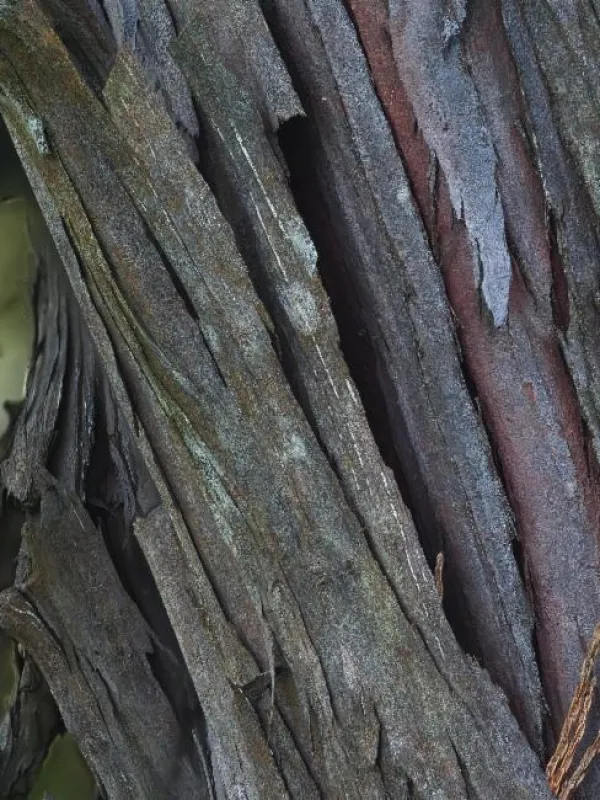
Description
Growing requirements
Callitris macleayana, commonly known as the Port Macquarie pine, belongs to the Cupressaceae family. This species is native to the coastal regions of New South Wales and Queensland in Australia, thriving in temperate to subtropical forest environments.
This crop requires well-drained, sandy loam soils to flourish. It is highly intolerant of waterlogged conditions, which can lead to rapid decay of the root system. Consequently, selecting a planting site with excellent natural drainage is the most vital agronomic decision.
The climate requirement for this species involves mild, consistent temperatures throughout the year. While it exhibits some tolerance to light frost as a mature tree, seedlings require protection during their early growth stages to prevent tip dieback due to cold exposure.
Cultural practices include consistent irrigation, especially during the establishment phase. As the tree matures, it becomes more drought-tolerant, but maintains better growth rates with moderate rainfall or supplemental watering during prolonged dry spells.
Economically, Callitris macleayana is valued for its termite-resistant timber, often utilized in high-quality furniture making and structural applications where durability is paramount. It is also used effectively in reforestation projects within its native range.
Main diseases and pests
The most significant pathological threats to Callitris macleayana are fungal infections affecting the roots. Species such as Phytophthora can cause severe damage if soil aeration is poor or if the site remains persistently wet.
Insect pests include various scale insects and borers that target the sapwood or foliage. Infestations by scale insects can cause chlorosis in the needles, leading to a general decline in tree vigor if left untreated.
Environmental stress, such as extreme heat coupled with moisture deficiency, can weaken the tree's natural defense mechanisms, making it more susceptible to secondary infections by wood-decaying fungi.
Integrated pest management strategies should focus on maintaining tree health through proper fertilization and avoiding mechanical damage to the bark, which can provide entry points for pathogens and wood-boring insects.
Regular monitoring of canopy health is essential, especially in dense plantations. Pruning should be performed only when necessary and during dry weather to prevent the transmission of fungal spores through open pruning wounds.