
Callitris sulcata
Callitris sulcata
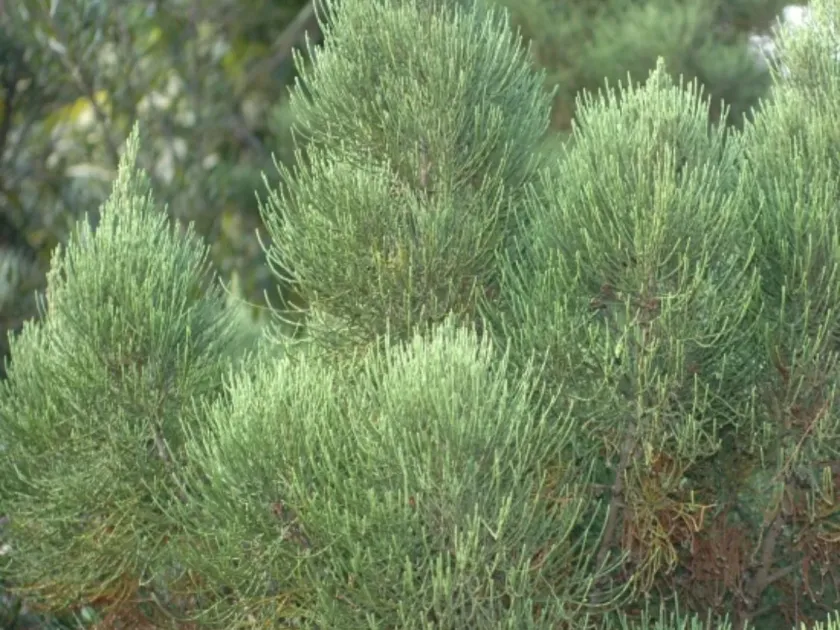
Description
Growing requirements
Callitris sulcata is a coniferous tree belonging to the Cupressaceae family, primarily native to the unique ecosystems of New Caledonia. This species is highly specialized, having adapted to specific soil types that are often rich in minerals but low in nutrients.
Successful cultivation of this species requires well-drained, sandy-loam soils with excellent aeration. Drainage is the most critical factor, as stagnant water leads to rapid root decay, which is the most common cause of mortality in cultivated specimens.
The plant thrives in subtropical conditions with high ambient humidity and moderate light levels. While it tolerates bright light, protecting young plants from harsh direct midday sun is necessary to prevent needle scorching and dehydration.
Regarding moisture, the soil should be kept consistently moist but not waterlogged. In cooler climates, this species must be kept in a controlled environment such as a greenhouse or a climate-managed conservatory to ensure year-round vitality.
In terms of propagation and use, Callitris sulcata is mainly of interest to botanical gardens and conservationists. Its ornamental value is high due to its distinct foliage and growth structure, though it remains a rare sight in general horticulture.
Main diseases and pests
The most significant threat to Callitris sulcata is root rot caused by Phytophthora species, which often arises due to over-irrigation. Using a sterile, well-draining substrate is essential for prevention.
Spider mites are common pests in dry, indoor environments, often causing foliage to turn brown or silvery. Regular misting and the use of appropriate acaricides help to manage these infestations before they spread across the crown.
Scale insects can attach themselves to the stems and branches, draining nutrients and weakening the overall health of the tree. Manual removal or systemic insecticides are typically employed as effective control measures.
Fungal leaf spot diseases may appear during periods of high humidity and low airflow. Maintaining proper spacing and pruning lower branches can facilitate better circulation and reduce the incidence of infection.
Nutrient imbalances, particularly high pH levels, can block the uptake of essential minerals. It is recommended to perform regular soil testing and use fertilizer formulations specific to acid-loving conifers.