
Callitris oblonga
Callitris oblonga
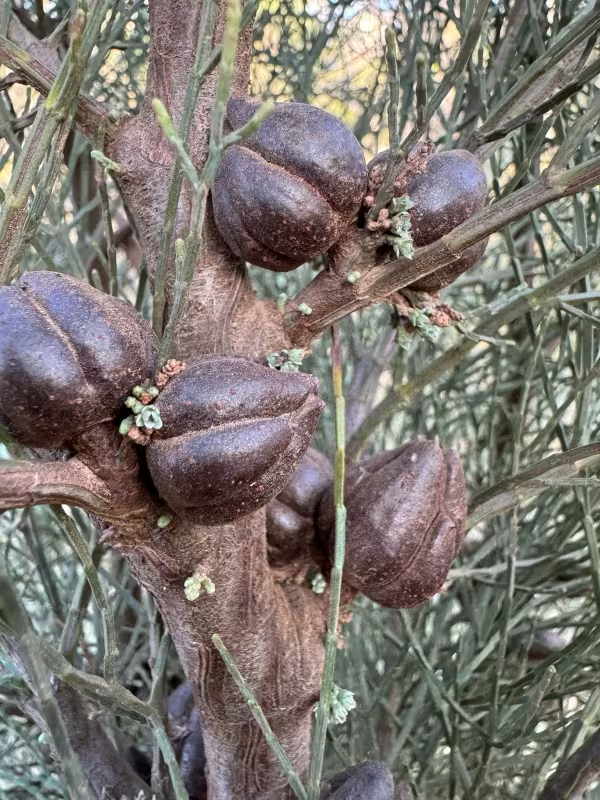
Description
Sowing dates
Propagation of Callitris oblonga is typically conducted via seeds in the spring, once soil temperatures reach a consistent 15–18 degrees Celsius. Seeds benefit significantly from a short period of stratification to enhance their germination rate and overall vigor.
For sowing, it is recommended to use a lightweight, well-draining substrate rich in organic matter. Seeds should be sown at a shallow depth of no more than 1 centimeter to ensure they do not struggle to emerge through the soil surface.
Seedlings require plenty of indirect light during their initial growth stages to prevent them from becoming leggy. Maintaining a consistent but moderate moisture level is crucial; overwatering at this stage can easily lead to damping-off disease.
Transplanting into the permanent outdoor location is best performed 2–3 years after sowing, once the root system is sufficiently developed to handle environmental stress. The ideal time for this transition is the beginning of the growth season.
Vegetative propagation via semi-hardwood cuttings is an effective method for cloning desirable traits. Using rooting hormones and maintaining high humidity under a protective cover will significantly improve the success rate of the cuttings.
Growing requirements
Callitris oblonga belongs to the Cupressaceae family and is native to the rocky riverbanks of Tasmania. As a hardy evergreen shrub, it thrives in environments that provide consistent moisture without waterlogging the roots.
The plant demands full sun exposure to maintain its dense, attractive foliage. When grown in shaded or low-light conditions, the plant tends to lose its compact structure and may suffer from diminished vigor and susceptibility to pests.
Soil requirements are relatively specific: the plant prefers acidic to neutral soils with excellent drainage. Heavy clay soils are unsuitable and should be amended with organic material or coarse sand to improve drainage characteristics.
While Callitris oblonga is moderately frost-tolerant, it requires a temperate climate to truly flourish. In regions with harsh winters, young plants should be protected with mulch or burlap coverings to prevent damage from frost heave.
Routine maintenance includes regular mulching around the root zone to retain moisture during the summer months. Additionally, annual pruning in early spring helps to maintain the desired shape and promote healthy, dense growth.
Yield
In a commercial or ornamental context, the growth rate of Callitris oblonga is generally considered moderate. Strategic spacing in plantation settings is vital to ensure that every individual plant receives adequate airflow and sunlight to maximize biomass production.
Productivity for essential oil extraction or decorative greenery relies on a rotational harvesting schedule. Light pruning of new growth encourages branching, which eventually increases the overall volume of foliage available for harvesting over time.
Commercial nurseries value this plant for its aesthetic durability and high demand in landscape architecture. A well-maintained specimen that is healthy and symmetrical fetches a premium price compared to poorly managed nursery stock.
Applying balanced, slow-release fertilizers during the active growth phase can boost yield and plant resilience. It is important to avoid nitrogen-heavy fertilizers late in the season, as this can stimulate soft growth that is prone to winter kill.
Harvesting should be done judiciously, focusing on removing only a portion of the current year’s growth. This method ensures that the plant retains enough photosynthetic surface to remain healthy and productive for future harvests.
Main diseases and pests
Root rot caused by Phytophthora species is one of the most common threats to Callitris oblonga, especially in poorly drained soils. Mitigation involves strictly controlling moisture levels and ensuring the planting site is elevated or properly drained.
Spider mites are prevalent pests, particularly during hot and dry summer weather. Regular inspections of the foliage, combined with overhead misting or targeted acaricide treatments, effectively manage mite populations and prevent significant damage.
Scale insects can occasionally infest the stems and leaves, extracting plant sap and weakening the shrub. If an infestation is detected, systemic insecticides should be applied to provide long-term control and protect the plant's health.
Powdery mildew and other fungal pathogens can develop if the foliage remains wet and stagnant air persists within the crown. Proper spacing and occasional thinning of the inner branches are essential to maintain good air circulation.
To ensure long-term health, growers must implement quarantine measures when introducing new plant material. Healthy stock is the best defense against the introduction of pests or diseases that could devastate a plantation.