
Calliandra tergemina
Calliandra tergemina
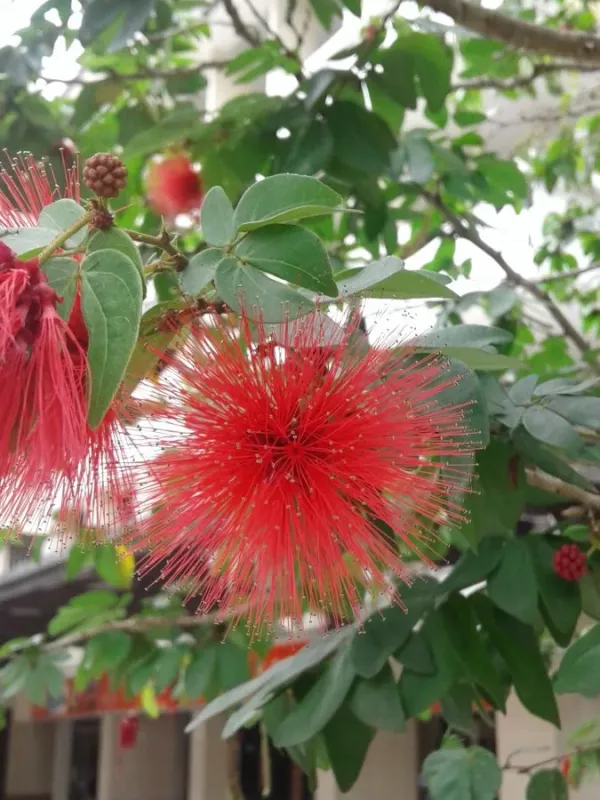
Description
Growing requirements
Calliandra tergemina is a perennial shrub species within the Fabaceae family, native to the tropical regions of the Americas. It is recognized for its unique pinnate foliage and significant contribution to tropical landscaping and soil improvement.
The climate requirements for this plant focus on consistent warmth, as it thrives in temperatures ranging from 20 to 30 degrees Celsius. It lacks cold tolerance, making it suitable for year-round outdoor cultivation only in tropical and subtropical zones.
Soil conditions are a priority for healthy root development, requiring well-drained, porous earth with a slightly acidic to neutral pH level. Avoiding heavy, water-logged soils is essential to prevent metabolic disorders and root suffocation.
Adequate sunlight is necessary for optimal photosynthetic activity, promoting dense foliage growth and prolific blooming. In regions with intense afternoon sun, light shading is recommended to prevent leaf scorching.
Cultural management involves balanced irrigation throughout the active growth phase, allowing the upper soil layer to dry slightly between waterings. Regular pruning helps maintain the structural integrity of the bush and encourages branching.
Main diseases and pests
Spider mites are common pests that thrive in the arid conditions often found in indoor environments or during dry spells. These pests damage the foliage, causing chlorosis and a decline in the plant's overall vigor.
Fungal pathogens such as Rhizoctonia and Pythium may cause root rot when moisture management is poor. These threats are best mitigated by utilizing sterilized growing media and ensuring proper aeration in the root zone.
Mealybugs can be a persistent nuisance, sheltering in leaf axils and stems, which complicates chemical control efforts. Integrated pest management, including natural predators or localized treatment, is highly recommended.
Leaf spot diseases, often fungal in origin, are common during periods of high humidity and poor air circulation. Improving ventilation around the shrub is the primary preventive measure against these conditions.
Early detection of infestations is crucial for the effective management of Calliandra tergemina. Regular inspections of the plant's undersides, where many pests initially congregate, allow for timely intervention.