
Calliandra selloi
Calliandra selloi
Description
Growing requirements
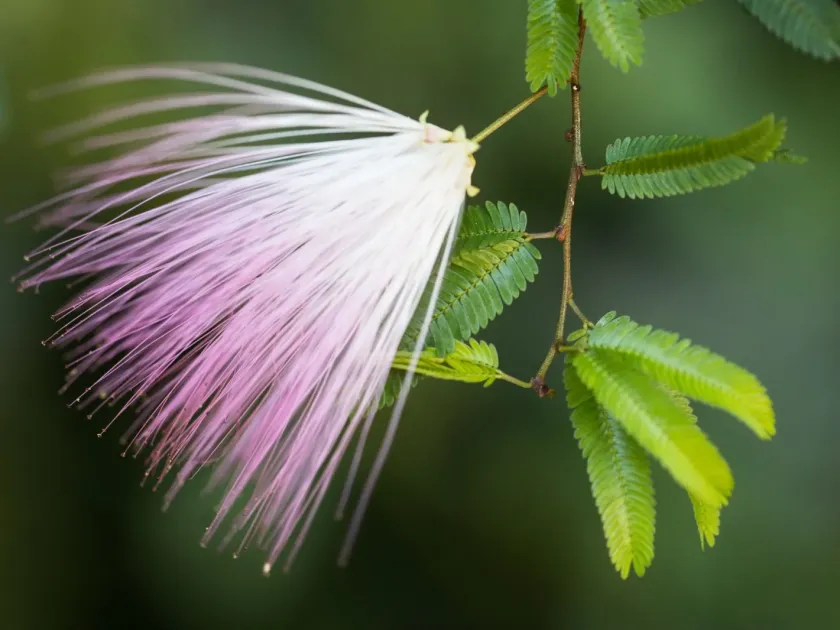
Calliandra selloi is a woody shrub belonging to the Fabaceae family. Native to South America, specifically Brazil, this plant is characterized by its delicate, fern-like foliage and unique brush-like flowers that are typical for the genus.
The plant thrives in tropical and subtropical climates where temperatures remain consistently above 15°C. It is strictly a container or greenhouse crop in temperate regions, as it cannot withstand frost or prolonged exposure to cold temperatures.
The ideal soil for Calliandra selloi is a well-aerated, loamy, and acidic-to-neutral medium. Ensuring excellent drainage is essential, as the roots are highly susceptible to oxygen deprivation and rot when waterlogged.
Regarding light, the species requires full sun to partial shade. In indoor environments, placing the plant near a southern or eastern window ensures the light intensity required for blooming throughout the growing season.
Agricultural management includes precise irrigation practices. The growing substrate should be kept consistently moist but never water-saturated. Frequent misting or the use of humidifiers is recommended if the ambient humidity drops below 50%.
Main diseases and pests
The primary pests affecting this plant are spider mites, especially during periods of dry indoor air. These tiny pests can cause significant leaf drop if not managed with regular foliage inspection and moisture control.
Root rot, primarily caused by Phytophthora or Pythium species, remains the most severe threat to the plant's longevity. This usually occurs when the irrigation cycle is too frequent, preventing the roots from accessing necessary oxygen.
Mealybugs can often colonize the junction of leaves and stems. Their feeding activity depletes the plant's resources and can lead to the growth of sooty mold on the honeydew secreted by these pests.
Nutrient deficiencies, particularly iron chlorosis, can occur if the soil pH is not maintained properly. This manifests as yellowing between the veins of the new leaves, which can be corrected with chelated iron applications.
Integrated pest management strategies should focus on preventive cultural practices, such as maintaining cleanliness around the plant and ensuring adequate air circulation to discourage fungal pathogen growth.