
Calliandra bella
Calliandra bella
Description
Growing requirements
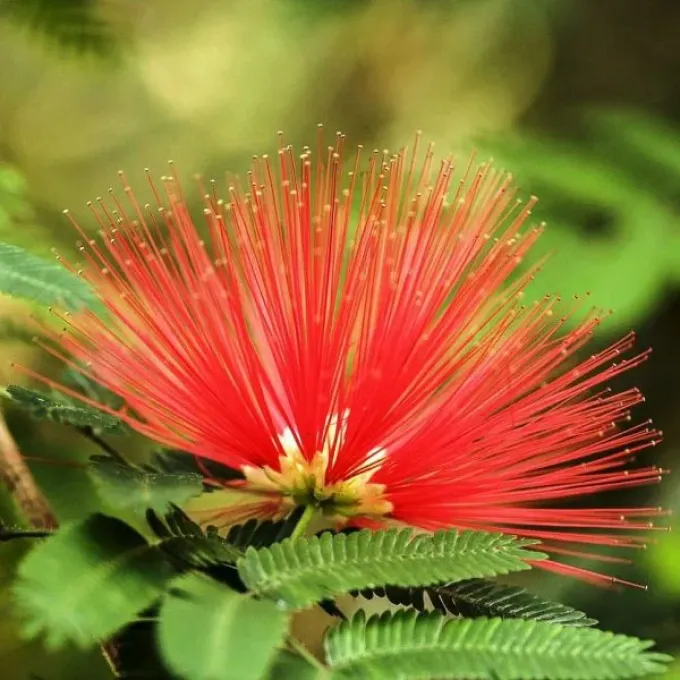
Calliandra bella is a distinctive evergreen shrub belonging to the Fabaceae family. Originating from the tropical regions of the Americas, it is widely recognized for its unique, brush-like flowers that provide significant aesthetic value to botanical collections.
The plant requires a stable tropical or subtropical climate to thrive. It is highly sensitive to cold, and in regions with temperate winters, it must be grown in controlled greenhouse environments to prevent frost damage to its delicate wood.
For optimal growth, the species demands a well-draining, nutrient-rich soil mix. A slightly acidic to neutral pH level is ideal, as it facilitates the efficient uptake of essential microelements necessary for the plant's metabolic processes.
Light intensity is a critical factor for Calliandra; it flourishes in bright, filtered light. During the peak of the growing season, consistent moisture and high humidity levels are essential to prevent leaf drop and ensure healthy development.
Routine agricultural practices involve regular pruning to manage the canopy structure and promote denser foliage. Applying balanced, low-nitrogen fertilizers during the blooming season significantly enhances the flowering capacity of the plant.
Main diseases and pests
The primary pests affecting Calliandra bella in greenhouse environments are spider mites and mealybugs. These pests thrive in dry conditions and can cause significant damage to the leaf tissue if left untreated.
Scale insects represent another common threat, as they attach themselves to the stems and suck the sap, leading to stunted growth and yellowing of the foliage.
Root rot, often caused by Phytophthora or Pythium species, is the most common disease associated with overwatering and improper drainage systems in potted plants.
Preventive pest management, including regular foliage washing and the use of neem-based oils, is highly effective in maintaining plant health and reducing the need for harsh chemical pesticides.
Providing adequate spacing between individual plants improves airflow, which is the most effective biological defense against fungal pathogens and mold development in indoor cultivation.