
Calliandra breviceps
Calliandra breviceps
Description
Growing requirements
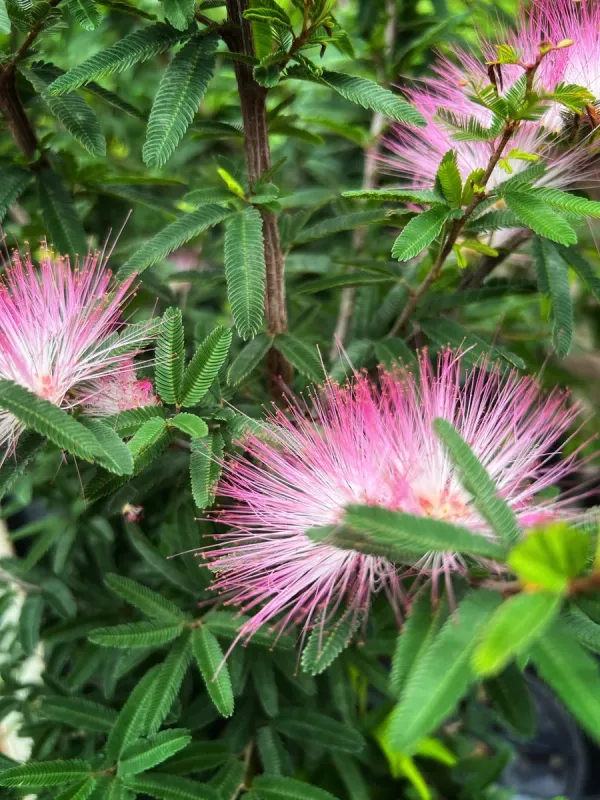
Calliandra breviceps is a perennial shrub belonging to the Fabaceae (pea/bean) family. It is widely recognized for its high ornamental value, particularly due to its distinctive pink, puff-ball flowers that appear during the blooming season.
Originating from the tropical regions of South America, specifically Brazil, this species thrives in climates that mimic its native environment. It is highly sensitive to frost, necessitating cultivation in controlled greenhouse conditions or frost-free tropical climates.
Successful production requires well-draining, fertile soil with a slightly acidic to neutral pH level. Proper soil structure is essential to prevent waterlogging, which the root system of Calliandra breviceps cannot tolerate, often leading to rapid decline.
Light intensity is a critical agronomic factor. The crop prefers bright, indirect light; intense direct sunlight can scorch the delicate foliage, while insufficient light levels will significantly reduce floral production and cause the plant to become leggy.
Agronomic management includes consistent irrigation during the growth phase and maintenance of high ambient humidity. During the dormant winter phase, moisture levels should be reduced, and temperatures should be kept within a temperate range to ensure plant health.
Main diseases and pests
The most significant pest threats include spider mites and mealybugs, which thrive in low-humidity indoor environments. Effective management involves consistent monitoring and the application of integrated pest management strategies to keep populations under control.
Fungal pathogens such as root rot (Phytophthora spp.) pose the greatest threat to crop viability. These issues are typically caused by poor soil drainage or excessive irrigation practices, making moisture management the primary defense mechanism for the cultivator.