
Calliandra houstoniana
Calliandra houstoniana
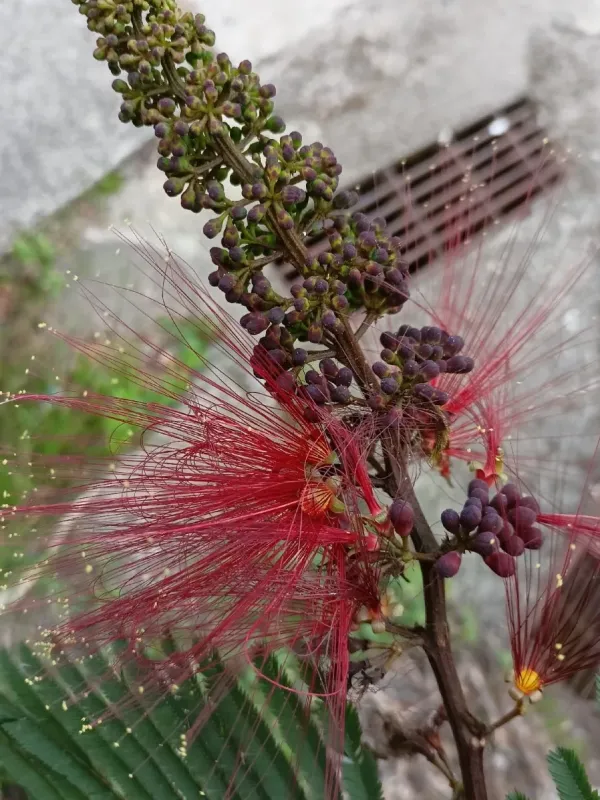
Description
Sowing dates
Calliandra houstoniana is a robust shrub or tree species belonging to the Fabaceae family, widely recognized for its agricultural and environmental benefits. Propagation is primarily performed through seeds, which should be sown in prepared nursery beds during the early wet season.
Pre-treatment of seeds, such as scarification or short immersion in warm water, is highly recommended to break dormancy and ensure high germination rates.
Seedlings should be nurtured in containers with a nutrient-rich substrate, providing ample light and proper aeration until they are ready for field transplantation.
Field establishment is most successful when young plants reach a height of approximately 30–50 cm. Strategic spacing is essential depending on the intended use, such as erosion control or forage production.
The initial establishment phase requires consistent moisture to ensure the root system develops sufficiently to support rapid growth in subsequent seasons.
Growing requirements
This species thrives in tropical climates and requires full sunlight to achieve its maximum biomass potential and maintain its characteristic dense foliage.
Calliandra houstoniana is highly adaptable to various soil types, ranging from sandy to clay-loam, provided they have adequate drainage to prevent waterlogging.
One of its primary agricultural advantages is its symbiotic nitrogen-fixing ability, which significantly improves soil fertility and benefits surrounding crops.
Temperature range should be stable, as the plant is sensitive to frost and extreme cold, which can hinder its development or cause permanent tissue damage.
Regular maintenance, including weeding around the base during the first year, helps the plant establish a strong foundation and outcompete invasive species.
Yield
The primary yield from this crop consists of nutrient-dense leafy biomass, which serves as a high-protein supplement for livestock feed.
Frequent pruning cycles significantly increase the cumulative annual yield of green manure, allowing farmers to harvest material multiple times per year.
In agroforestry systems, the wood produced by this species is highly valued as a sustainable fuel source due to its high calorific content and slow-burning properties.
The tree produces attractive flowers that support apiculture, making it an excellent companion plant in diversified agricultural landscapes.
Timber utilization from mature specimens allows for the production of small-scale tools and fence posts, contributing to farm self-sufficiency.
Main diseases and pests
While generally hardy, Calliandra houstoniana can be susceptible to fungal pathogens if grown in areas with poor drainage and high soil moisture.
Pests like aphids or defoliating caterpillars may occasionally appear; however, natural predators often maintain their populations at manageable levels.
Good management practices, such as maintaining proper plant spacing, are essential to ensure adequate airflow and reduce the incidence of moisture-related diseases.
Integrated pest management (IPM) strategies, favoring biological controls over heavy chemical usage, are highly recommended to preserve the local ecological balance.
Monitoring for signs of nutrient deficiency or soil compaction is advisable, as these factors can weaken the plant and make it more vulnerable to secondary infections.
Harvesting
Harvesting for fodder involves systematic cutting of branches, ensuring that sufficient foliage remains on the plant to allow for rapid vegetative recovery.
Seed harvesting should be synchronized with the maturation of the pods; once they turn brown and brittle, they should be gathered to avoid loss from natural dehiscence.
For fuel production, selective harvesting of thicker stems is performed, which also acts as a thinning process to promote the health of the remaining stand.
Proper timing of the harvest is critical; clipping should occur when the plant has achieved peak nutrient content but before it becomes too lignified for animal consumption.
Sustainable harvesting techniques ensure that the plantation remains productive for many years, providing a consistent return on investment for the farmer.