
Surinam powder puff
Calliandra surinamensis
Description
Growing requirements
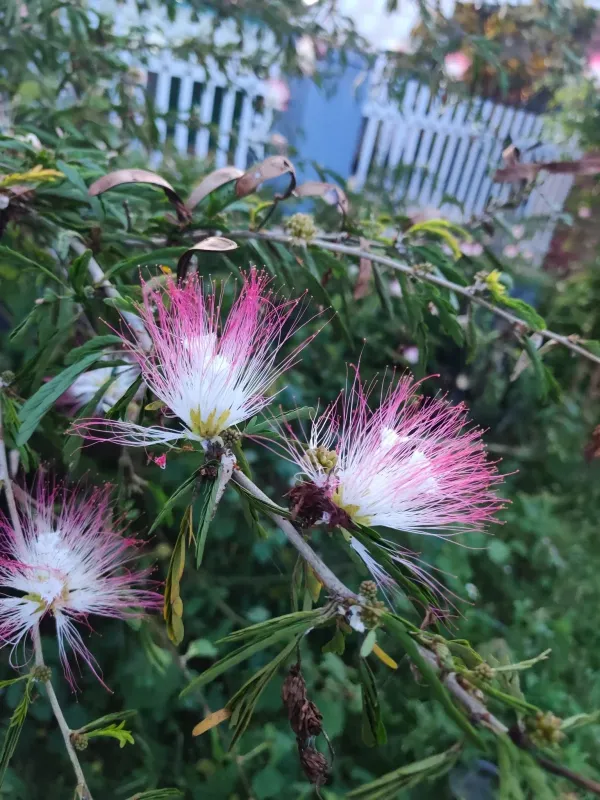
The Surinam powder puff (Calliandra surinamensis) is a perennial shrub belonging to the Fabaceae family. Known for its distinct, powder-puff-like flowers with delicate stamens, this plant is a staple in tropical landscapes worldwide.
Originating from the tropical regions of South America, specifically Suriname and the Amazon basin, the plant thrives in warm, humid environments. It serves as an excellent ornamental specimen in gardens, parks, and urban greening projects across tropical zones.
The species requires a sunny location to produce its characteristic blooms. While it can tolerate partial shade, maximum flowering intensity is achieved with full morning sun followed by light afternoon shade to prevent leaf scorch in extremely hot climates.
Soil requirements are relatively specific: the plant demands well-draining, fertile soil. It is intolerant of waterlogged conditions, which can quickly lead to root decay, so site selection should prioritize areas with excellent natural or artificial drainage.
Regular maintenance involves pruning to maintain a bushy structure. By cutting back long, straggly stems after the flowering cycle, gardeners can encourage denser growth and a more prolific display of blossoms in the following season.
Main diseases and pests
Common pests include spider mites and mealybugs, which tend to congregate on the undersides of leaves and in the nodes of young branches. These pests can severely weaken the plant if left unchecked during dry spells.
Fungal pathogens such as leaf spot and root rot are prevalent in areas with high humidity and poor ventilation. Keeping the center of the canopy open through strategic pruning is an effective cultural practice to reduce disease incidence.
Nutritional deficiencies often manifest as chlorosis, where the leaves yellow while veins remain green. This is frequently linked to incorrect soil pH, which hinders the uptake of essential micronutrients like iron and manganese.
For pest and disease management, integrated pest management (IPM) strategies are recommended. This includes encouraging natural predators, using horticultural oils for small infestations, and applying systemic fungicides only when necessary.
Consistent monitoring and maintaining optimal plant vigor through balanced fertilization help ensure the shrub remains resilient against environmental stressors and potential pest outbreaks throughout the year.