
Custard apple
Annona reticulata L.
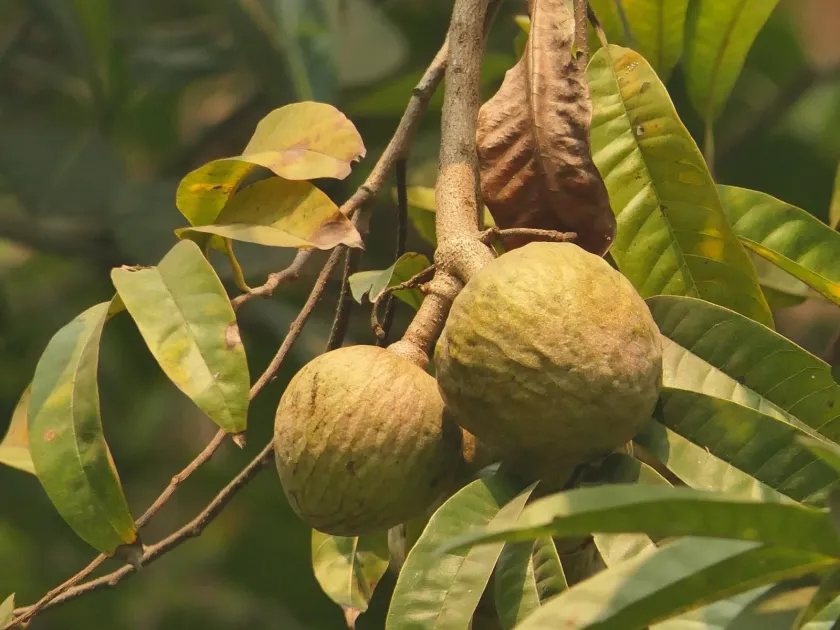
Description
Growing requirements
The custard apple (Annona reticulata) is a medium-sized fruit tree belonging to the Annonaceae family. Native to tropical regions of the Americas, this species is cultivated widely throughout the tropics for its edible, heart-shaped fruits. It typically grows as a small tree reaching 6 to 10 meters in height.
This crop thrives in frost-free tropical and subtropical climates. It requires full sunlight for optimal flower development and fruit set. While it can tolerate a variety of weather conditions, temperatures between +20°C and +30°C are considered ideal for consistent vegetative growth.
Soil requirements are relatively flexible, but the plant performs best in deep, fertile, and well-drained soils. A pH level between 6.0 and 7.5 is ideal. Proper drainage is essential, as the species is highly susceptible to root decay if waterlogged conditions persist for too long.
Agronomic management involves periodic pruning to maintain a manageable tree height and to facilitate easier harvest. Pruning also helps improve air circulation within the canopy, which is a critical measure to prevent the buildup of excess humidity and fungal pathogens.
Regular fertilization with organic matter or balanced NPK compounds supports tree health. Watering should be consistent during the growth stage; however, during the fruit ripening stage, reducing excess water helps improve the concentration of sugars in the fruit.
Yield
Under good management, a mature tree can produce a substantial harvest annually. Yields vary significantly based on environmental conditions and pollination efficiency. Fruits typically weigh between 200 and 800 grams and are highly valued for their sweet, cream-like pulp.
Main diseases and pests
Pests such as mealybugs, scale insects, and aphids frequently attack young leaves and shoots, often requiring integrated pest management strategies. Additionally, the fruit borer can cause significant damage to the developing crop, necessitating careful monitoring and timely intervention.
Harvesting
Harvesting is determined by the skin color change, which shifts from green to yellowish-brown. The fruit is picked when it feels slightly soft to the touch. Once harvested, it matures rapidly at room temperature and is best consumed within a few days to preserve its flavor and texture.