
Buddleja luteolufaucia
Buddleja x luteolufaucia
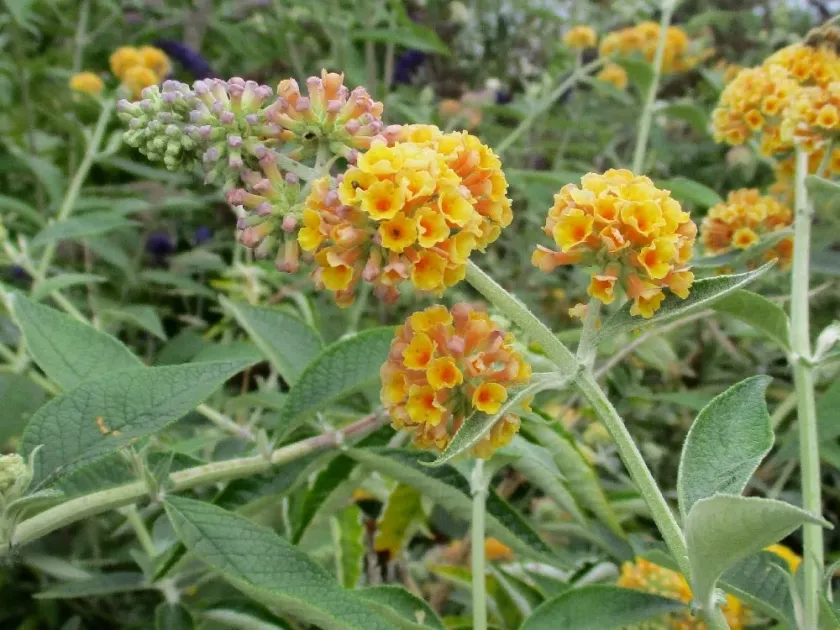
Description
Growing requirements
Buddleja luteolufaucia (Buddleja x luteolufaucia) is an interspecific hybrid belonging to the Scrophulariaceae family. This ornamental shrub is widely recognized for its vibrant flowering spikes and its ability to attract various pollinators to the garden environment.
The plant thrives in full sun exposure, which is essential for maximizing flower production and maintaining a dense, healthy growth habit. Planting in shaded areas usually results in weak, straggly stems and poor floral development.
Soil requirements are relatively specific: the plant demands well-drained, fertile soil. It performs best in substrates that are neutral to slightly alkaline in pH. Waterlogged soil during the winter dormant season is often fatal to the root system.
Climatically, this hybrid requires a temperate environment. In colder zones, the base of the plant should be protected with organic mulch to prevent frost damage to the roots, which ensures vigorous regrowth in the spring season.
Regular maintenance involves a systematic pruning regimen. Since the flowers are produced on new wood, cutting back the plant significantly in early spring promotes robust branching and enhances the overall flowering display throughout the summer.
Main diseases and pests
Spider mites are common pests that frequently affect Buddleja, particularly during hot and dry weather conditions. These pests damage the foliage, causing it to lose its color and vigor, and require immediate treatment with acaricides.
Whiteflies can also colonize the foliage, especially in protected or sheltered garden spots with limited airflow. Regular monitoring and the application of insecticidal soaps can help manage these infestations effectively.
Powdery mildew is a common fungal threat characterized by a white, dusty growth on the leaves. It usually occurs when plants are spaced too closely, reducing the airflow that is necessary to keep the foliage dry and healthy.
Root rot is a significant danger caused by poor drainage or overwatering. Once the root system begins to decay, the plant loses its ability to uptake nutrients, leading to sudden wilting and eventual plant failure.
Nutrient deficiencies, specifically a lack of nitrogen or magnesium, can lead to chlorosis. Maintaining a consistent fertilization schedule is essential to keeping the shrub resistant to these stressors throughout the growing season.