
Buddleja crispa × marrubiifolia
Buddleja crispa Benth. x Buddleja marrubiifolia Benth.
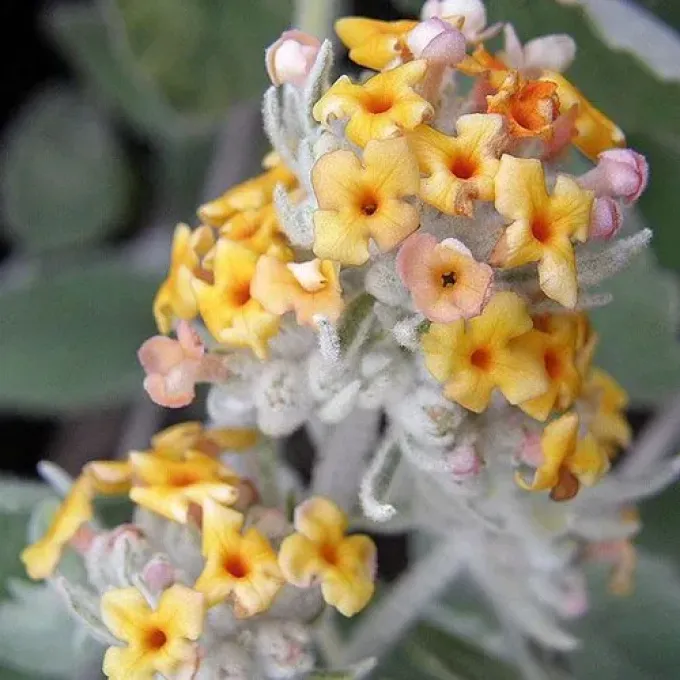
Description
Sowing dates
Buddleja crispa × marrubiifolia is an ornamental hybrid shrub belonging to the Scrophulariaceae family. This hybrid combines the distinct foliage characteristics of Buddleja crispa with the drought-tolerant traits of Buddleja marrubiifolia, resulting in a unique specimen for horticultural use.
Propagation of this hybrid is primarily achieved through stem cuttings during the active growing season. This method ensures that the vegetative offspring remain genetically identical to the parent plant, preserving its desirable morphological features and blooming patterns.
When establishing new plants in a garden setting, it is essential to choose a location with well-draining soil and ample sunlight. Spring planting is recommended, allowing the root system to become well-established before the onset of the winter dormancy period.
Space management is critical for the long-term health of the shrub. Because the plant can develop a wide crown, providing sufficient distance between neighboring plants is necessary to promote air circulation and prevent the development of fungal pathogens.
The initial establishment phase requires consistent monitoring of soil moisture. Once the root system has penetrated deeper into the soil profile, the shrub becomes significantly more resilient, displaying the hardiness characteristic of its parent species.
Growing requirements
This hybrid thrives in full sun, which is essential for maximizing its flowering potential. Partial shade may lead to excessive stem elongation and reduced flower density, which can negatively impact the overall aesthetic appeal of the shrub.
Soil requirements include excellent drainage and a neutral to slightly alkaline pH. The plant is sensitive to waterlogged conditions, which can lead to root rot; therefore, incorporating gravel or coarse sand into the planting hole is highly recommended in heavy soils.
The shrub demonstrates moderate drought tolerance once established. However, during prolonged periods of high temperature and low rainfall, supplemental irrigation is necessary to maintain vigor and prevent premature leaf drop.
Nutrient management involves applying balanced fertilizers in early spring. Avoid excessive nitrogen applications late in the season, as this can encourage soft, succulent growth that is susceptible to winter frost damage.
Winter protection is necessary in temperate climates. A thick layer of mulch around the base of the plant, combined with a protective covering for the primary branches, will help shield the shrub from extreme frost and drying winter winds.
Main diseases and pests
Common pests include spider mites and whiteflies, especially during hot and dry summer conditions. Regular inspection of the undersides of leaves and the application of insecticidal soaps or horticultural oils can help manage these infestations effectively.
Fungal diseases such as root rot are typically associated with poor drainage or overwatering. Maintaining a dry zone around the root collar and ensuring proper soil aeration are the most effective preventative measures against these pathogens.
Foliar diseases, including leaf spots, may occur in high-humidity environments. Improving air circulation by thinning out overcrowded branches can significantly reduce the incidence of these issues and promote a healthier plant canopy.
Nutritional deficiencies can manifest as chlorosis or stunted growth. Regular soil testing allows for the precise application of micro-nutrients, ensuring that the plant receives all the essential minerals required for optimal metabolic function.
Pruning is not only for aesthetics but also a tool for disease management. By removing dead or diseased wood annually, the gardener eliminates potential entry points for pathogens and encourages the growth of strong, healthy new tissues.