
Fallow's buddleia
Buddleja fallowiana Balf. f. & W. W. Sm.
Description
Growing requirements
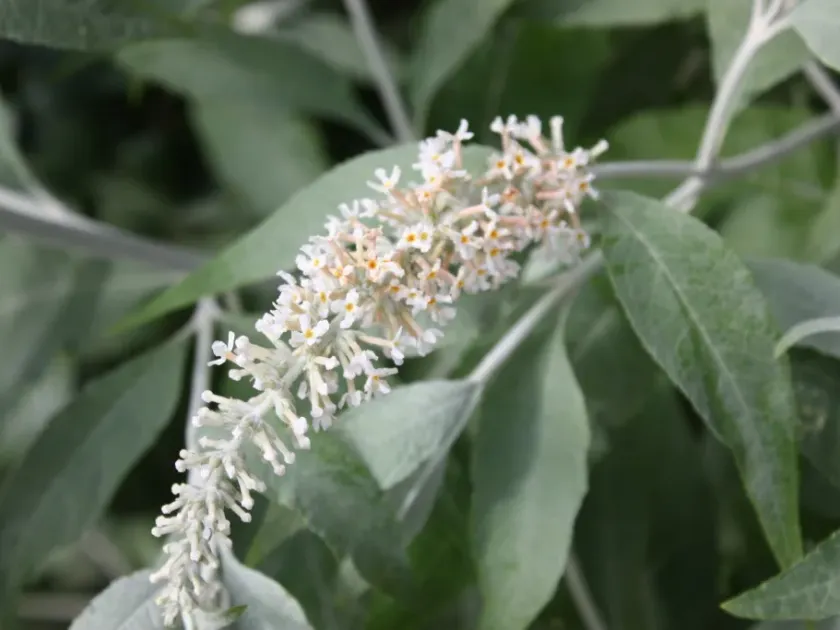
Fallow's buddleia (Buddleja fallowiana) is a deciduous flowering shrub belonging to the Scrophulariaceae family. Native to the mountain slopes of Yunnan, China, it is highly valued in horticulture for its distinct silvery-grey foliage and fragrant, terminal panicle flowers.
The botanical structure of this species is characterized by its tomentose (woolly) stems and leaves, which provide a unique texture in landscape design. Under favorable conditions, the shrub can reach a mature height of approximately 2 meters.
Regarding soil and site requirements, this plant thrives best in fertile, well-drained loamy soils. It is critical to ensure excellent drainage, as the species is notoriously intolerant of "wet feet" during the dormant winter months, which can cause significant root damage.
Climatic requirements dictate that Fallow's buddleia should be situated in full sun for maximum flower production. While it exhibits moderate hardiness, it prefers sheltered spots in gardens to minimize wind damage and excessive moisture accumulation.
Agricultural management primarily focuses on annual hard pruning in late winter or early spring. This practice encourages vigorous new growth, as the flowers are produced on current-season wood, and helps maintain a manageable, bushy silhouette.
Main diseases and pests
Common pests affecting Fallow's buddleia include spider mites and whiteflies, particularly during hot and dry weather cycles. These pests feed on sap, weakening the plant; persistent monitoring is recommended during the mid-summer months.
Fungal issues, particularly root rot, represent the most significant threat to plant longevity. Preventing water stagnation by incorporating gravel or sand into the planting hole is a standard agronomic practice to mitigate this risk.
Powdery mildew can affect the foliage, especially in climates with high humidity or poor air circulation. Proper spacing between individual plants is essential to promote airflow and reduce the humidity levels around the foliage.
Winter desiccation is a common cause of failure in temperate zones. Providing a thick layer of organic mulch around the base protects the root system from deep soil freezing, which is vital for the plant's survival in colder climates.
To keep the plant healthy, it is essential to remove any dead or diseased wood immediately. This sanitation process reduces the habitat for latent pathogens and promotes healthy regrowth throughout the growing season.