
Buddleja alternifolia
Buddleja alternifolia Maxim.
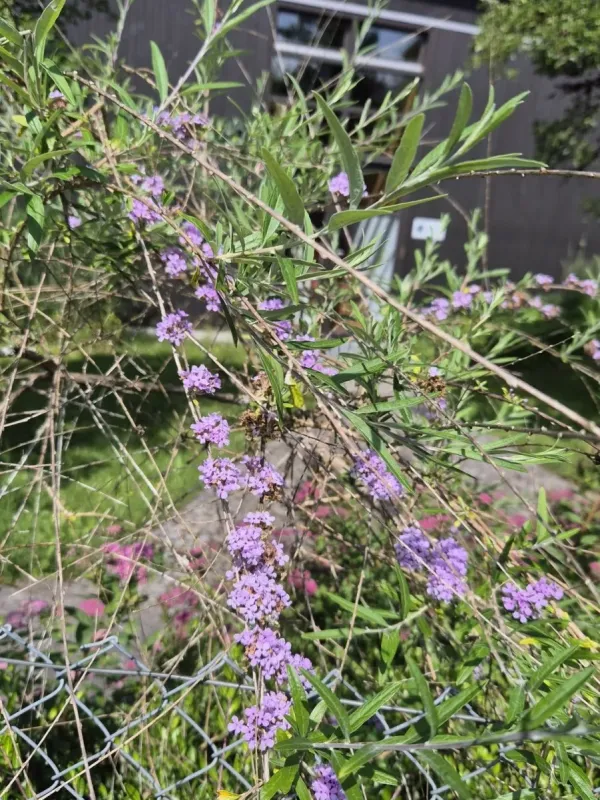
Description
Sowing dates
Propagating Buddleja alternifolia is most effectively achieved through semi-hardwood cuttings. This method ensures that the unique traits of the parent plant are maintained in the new specimens.
Cuttings should be taken during the mid-summer months when the plant is actively growing. Stems of about 10 to 15 centimeters in length are prepared by removing the lower leaves and treated with rooting hormones.
Plant the cuttings in a well-draining medium composed of perlite and peat. Maintaining a consistent environment with high humidity is crucial for successful root development within the first few weeks.
Transplanting into the permanent garden spot should be done in early spring. It is vital to prepare the site with organic matter to encourage rapid establishment of the root system.
Seeds can also be sown, but they require surface sowing due to their small size. Keep the seed trays in a warm, bright area, ensuring the surface remains moist until germination.
Growing requirements
Buddleja alternifolia, a member of the Scrophulariaceae family, is a deciduous shrub native to China. It is highly valued for its elegant, pendulous branches and fragrant violet-purple blossoms.
The shrub thrives in full sun, which is necessary for optimal flowering and branch development. It should be situated in a location sheltered from strong, damaging winter winds.
Soil requirements include excellent drainage and moderate fertility. It adapts well to various soil types, provided they are not excessively wet or compacted, which can be detrimental to root health.
This species exhibits remarkable tolerance to heat and brief droughts once established. However, supplemental watering during prolonged dry spells will promote more vigorous growth and longer flowering.
Pruning is an essential part of the care routine for this species. Unlike other buddleias, it blooms on old wood, so pruning must be done immediately after flowering to shape the plant and remove dead branches.
Main diseases and pests
The most significant environmental threat to this shrub is waterlogging. Poor drainage during the winter months often leads to root rot, which can cause significant decline or even death of the plant.
Pests such as spider mites and whiteflies can infest the plant, particularly during dry seasons. These pests weaken the foliage, potentially leading to leaf drop if not addressed promptly.
Fungal infections, including powdery mildew, can occur if the plant is in a location with stagnant air or excessive humidity. Improving air circulation around the shrub is the primary defense.
Regular monitoring of the foliage is recommended to catch infestations early. Applying horticultural oils or specific insecticidal soaps is generally effective for controlling common pests.
- Avoid overwatering to prevent root-related issues.
- Ensure adequate spacing between plants for good airflow.
- Perform post-flowering pruning to remove diseased or damaged growth.