
Buddleja lindleyana
Buddleja lindleyana Fortune
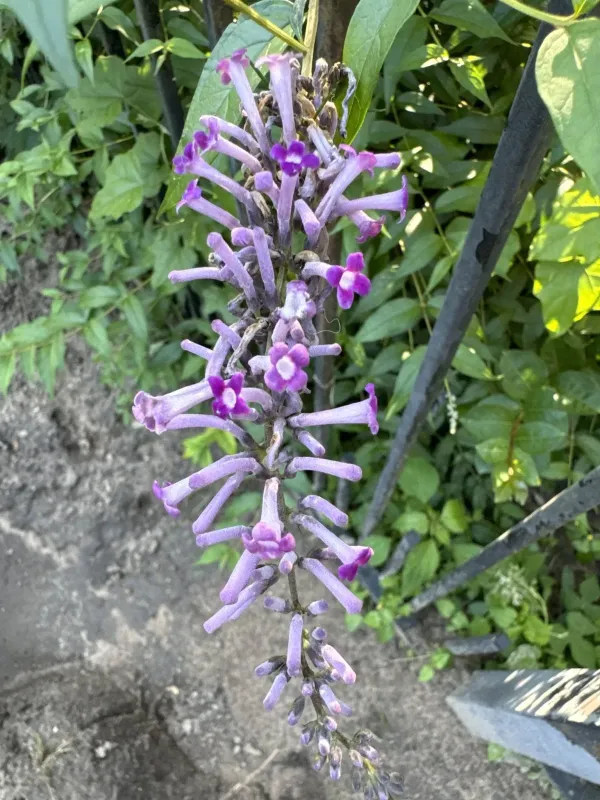
Description
Growing requirements
Buddleja lindleyana is an ornamental deciduous shrub belonging to the Scrophulariaceae family. Originating from China, it is well-known for its unique, arching, pendulous flower spikes that provide a distinct aesthetic in garden landscapes.
The plant thrives in regions with mild climates, requiring full sun exposure to maintain its vigor. In colder zones, the plant requires protection during winter months to prevent cold-induced damage to its stems and root system.
Ideal soil conditions for this culture include fertile, well-draining loams with a neutral to slightly alkaline pH. Drainage is a critical factor, as this species is highly susceptible to root rot if exposed to waterlogged soil conditions.
Agronomic management involves consistent irrigation during dry spells and annual pruning in early spring. Pruning is essential, as the plant blooms on new wood, and thinning out old growth promotes robust flowering.
In landscaping, Buddleja lindleyana serves as a major decorative element. It is frequently used in mixed borders, as a specimen plant, or in thematic butterfly gardens due to its ability to attract pollinators.
Main diseases and pests
Common pests affecting Buddleja lindleyana include spider mites and whiteflies, which typically thrive in hot and arid environments. These pests can significantly weaken the plant by feeding on its foliage.
Fungal diseases, specifically grey mould (Botrytis), are significant threats, especially in areas with high humidity or poor air circulation within the shrub canopy. Infections can lead to wilting and premature leaf drop.
Effective management requires regular inspection of the leaves and stems. Maintaining good air circulation through proper pruning helps prevent the onset of most moisture-related fungal issues.
If infestations or infections occur, targeted application of environmentally safe insecticides or systemic fungicides is recommended. Always follow the manufacturer's instructions regarding application rates and frequency.
Overall, the health of the shrub is best preserved through balanced fertilization and proper placement, ensuring the plant has enough space to grow without competing with neighboring vegetation.