
Asian butterfly-bush
Buddleja asiatica Lour.
Description
Growing requirements
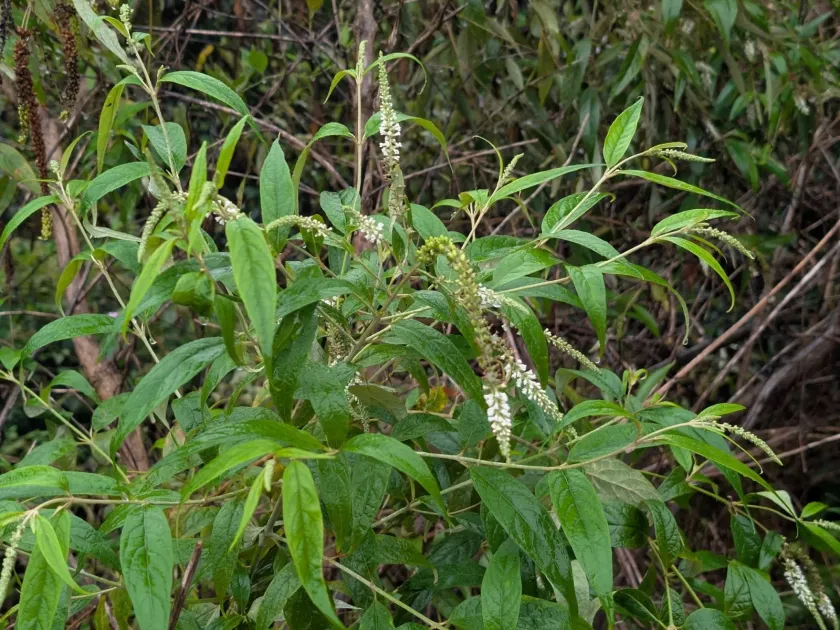
The Asian butterfly-bush (Buddleja asiatica Lour.) is an elegant semi-evergreen shrub belonging to the Scrophulariaceae family. Known for its slender, drooping inflorescences and pleasant fragrance, it is a significant ornamental species in subtropical gardening.
Originating from regions across East and Southeast Asia, this plant thrives in warm, temperate environments. It is characterized by its rapid growth habit and its ability to develop a dense canopy of foliage covered with fine, soft hairs.
Optimal growth requires well-draining, nutrient-rich soil with a neutral to slightly acidic pH. The species is highly sensitive to waterlogged conditions, which can cause significant damage to the root system and inhibit the overall vigor of the shrub.
The plant demonstrates a strong preference for full sun exposure, which is essential for stimulating flower production and maintaining a compact growth habit. In colder regions, it is frequently cultivated in containers to allow for relocation during harsh winter conditions.
Agricultural management involves routine pruning of the previous year's growth to encourage fresh, flowering stems. Fertilization programs should focus on balanced NPK ratios to support healthy foliage development and subsequent bloom intensity throughout the season.
Main diseases and pests
Spider mites are common pests that thrive in dry, warm environments, often causing significant damage to the leaf tissue. Persistent monitoring of the foliage underside is recommended to identify early signs of infestation and apply appropriate controls.
Aphids are known to congregate on tender young growth, draining plant sap and potentially transmitting viral diseases. Applying organic insecticidal soaps or systemic pesticides is effective in managing these pest populations before they cause structural damage.
Grey mold (Botrytis) frequently occurs in conditions with high humidity and poor air circulation within the shrub's canopy. Pruning to ensure proper spacing and airflow is a critical preventative measure against this fungal threat.
Powdery mildew appears as a white, dusty layer on leaves, often triggered by fluctuations in humidity and temperature. Using copper-based fungicides can manage the spread of the disease when environmental conditions are conducive to fungal growth.
Root rot remains the most common physiological challenge resulting from improper irrigation techniques. Maintaining a balance between soil moisture and drainage is essential for sustaining long-term plant health and vigor in various growing conditions.