
Billbergia zebrina
Billbergia zebrina
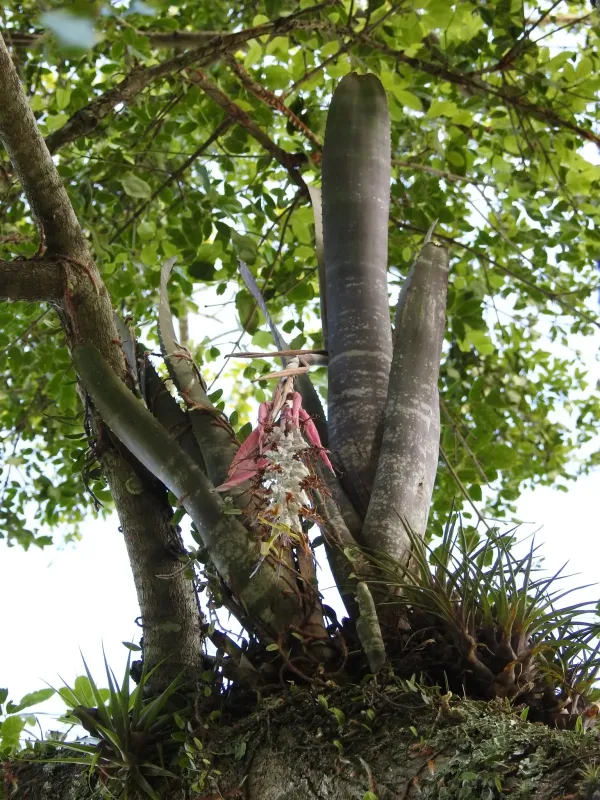
Description
Growing requirements
Billbergia zebrina is a striking member of the Bromeliaceae family. It is prized for its attractive, zebra-striped foliage and unique, pendulous inflorescences that make it a favorite among collectors of exotic tropical plants.
Native to the rainforests of South America, specifically Brazil, Paraguay, and Uruguay, this plant thrives in humid environments. It is naturally adapted to epiphytic growth, often residing on tree branches or in nutrient-rich forest litter.
Cultivation requires bright, indirect light to maintain the vibrant coloration of the leaves. Direct sunlight should be avoided during the peak hours of the day to prevent desiccation and burning of the foliage.
The potting medium must be well-draining, mimicking the airy conditions of its native habitat. A mix of bark chips, perlite, and peat moss is ideal to ensure sufficient aeration and to prevent the roots from becoming waterlogged.
Optimal growth is achieved when the ambient temperature is kept consistently warm. During the growing season, a high humidity level is crucial; misting the foliage frequently helps to sustain the plant’s metabolic functions.
Main diseases and pests
Pests such as mealybugs and scale insects are common adversaries for this bromeliad. They tend to hide in the tight crevices between the leaves, necessitating careful inspection and manual removal or the use of horticultural soap.
Root rot is the most significant threat to plant health, usually resulting from poor drainage or excessive soil moisture. Maintaining a dry, well-ventilated environment and watering solely through the central rosette is essential for long-term survival.