
Billbergia decora
Billbergia decora
Description
Growing requirements
Billbergia decora is a distinguished species within the Bromeliaceae family, native to the tropical regions of Brazil. As an epiphyte, it has evolved to thrive in high-humidity environments, anchoring itself to trees and rocks, which provides a unique structural basis for its growth.
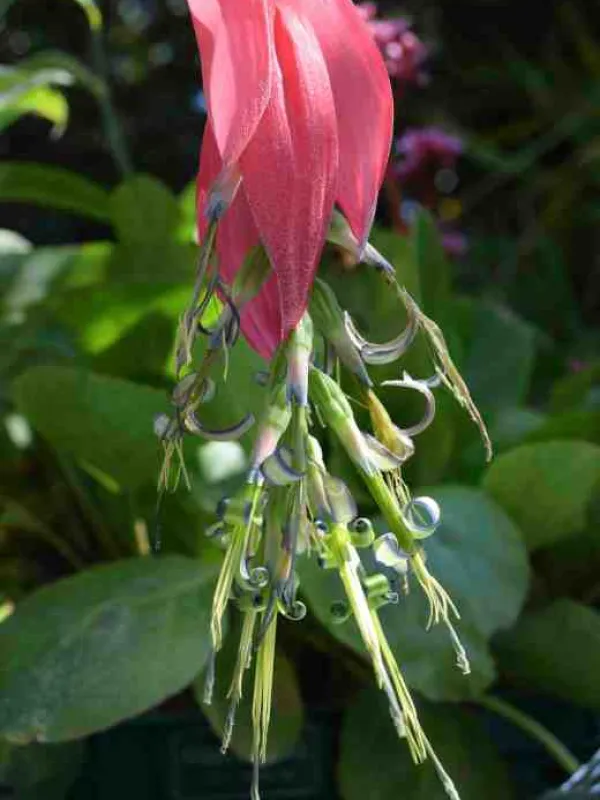
The plant features a basal rosette of stiff, strap-like leaves that are often adorned with silvery scales, giving it a distinctive aesthetic appeal. During the reproductive phase, it develops a pendent, spike-like inflorescence with colorful bracts that are highly valued in horticultural practices.
Cultural requirements emphasize the need for bright, indirect light. Placing the plant in an area with filtered sunshine ensures the leaves maintain their structural integrity and vibrant coloration while preventing solar damage to the epidermal tissues of the foliage.
Temperature management is vital, as Billbergia decora prefers stable conditions ranging from 22 to 26 degrees Celsius during the growing season. It is essential to protect the plant from cold drafts and winter temperatures that drop below 16 degrees Celsius to prevent metabolic stress.
Soil and irrigation management must prioritize drainage. The optimal substrate consists of a coarse mixture of orchid bark, perlite, and sphagnum moss. Water should be added to the central tank of the rosette, ensuring that the water is fresh and free of heavy mineral deposits to prevent salt buildup.
Main diseases and pests
Common pests affecting this bromeliad include mealybugs and scale insects, which prefer to hide in the tight spaces between leaves. Monitoring the base of the rosette is crucial, and immediate isolation followed by the application of horticultural oils or systemic insecticides is recommended.
Fungal pathogens represent the primary disease risk, often manifesting as crown or root rot. This typically occurs when water remains stagnant in the rosette during cooler, less active growth periods, encouraging the proliferation of anaerobic bacteria and fungi that degrade the plant tissue.