
Billbergia pohliana
Billbergia pohliana
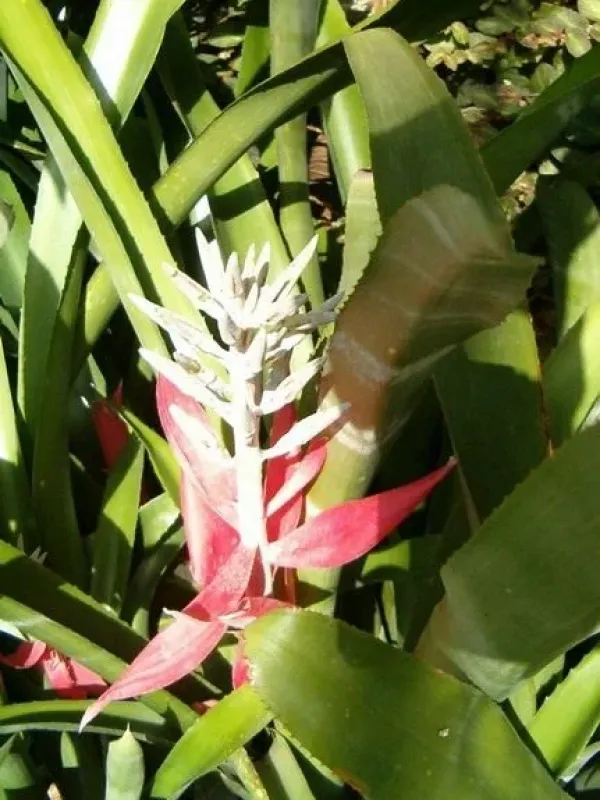
Description
Growing requirements
Billbergia pohliana is a fascinating epiphytic species belonging to the Bromeliaceae family. Native to the tropical regions of Brazil, it naturally thrives in rainforest environments, where it grows attached to tree branches or rocky substrates, effectively harvesting nutrients from its surroundings.
The plant is defined by its characteristic rosette architecture, featuring rigid, elongated leaves that funnel moisture toward the base. This morphological structure is an evolutionary adaptation for survival in canopy environments where water availability can be intermittent.
Optimal growth requires a temperature range of 20°C to 25°C. As a tropical species, it exhibits significant sensitivity to cold drafts, which can lead to rapid tissue damage and the cessation of vegetative growth patterns during the colder seasons.
The cultivation medium must ensure excellent drainage and high aeration. A standard mixture for this crop consists of orchid bark, perlite, and high-quality peat moss, providing a light, acidic, and well-drained substrate that prevents the suffocation of the epiphytic root system.
Humidity management is essential for the health of Billbergia pohliana. It requires ambient humidity levels exceeding 60%, ideally achieved through misting or the use of pebble trays in indoor settings, while maintaining regular irrigation directly into the central rosette.
Main diseases and pests
Root rot and crown rot represent the primary pathological risks for this plant. These conditions are almost exclusively triggered by water stagnation in the soil or the central funnel, especially when temperatures fall below the optimal range during the night.
Scale insects are common pests that pose a serious threat to the plant's aesthetic value. These small, armored insects sap the plant's vitality, leading to yellowing of the leaves and the potential spread of secondary fungal infections like sooty mold.
Mealybugs often infiltrate the tight junctions where leaves connect to the base. Their presence is usually signaled by white, cotton-like secretions, which necessitate immediate manual removal or the application of appropriate systemic insecticides.
Spider mites are another significant threat, particularly in environments with poor ventilation and low humidity. Their infestation results in fine webbing and stippling on the leaves, which significantly hampers the plant's photosynthetic capability.
Effective pest management relies on a strategy of preventative care, including regular inspection of the leaf axils and maintaining optimal environmental parameters to keep the plant's natural immune response strong against infestations.