
Billbergia pyramidalis
Billbergia pyramidalis
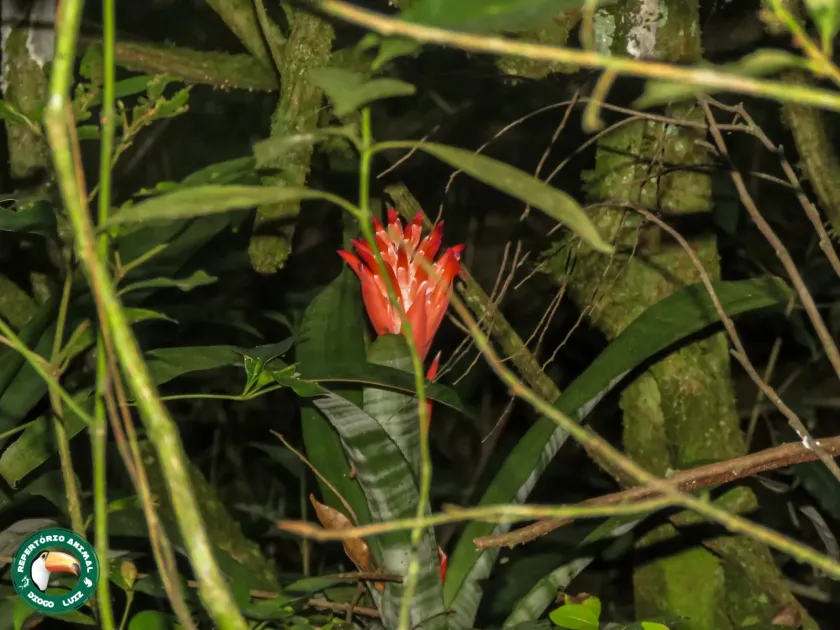
Description
Growing requirements
Billbergia pyramidalis is a striking member of the Bromeliad family, native to the tropical rainforests of eastern Brazil. As an epiphyte, it is adapted to growing on tree branches, where it relies on its central tank to collect rainwater and nutrients.
To cultivate this species successfully, it is essential to replicate its natural tropical environment. It thrives in temperatures between 20°C and 25°C and requires a humid atmosphere, ideally maintained by regular misting or using a humidity tray.
The planting medium must be exceptionally well-draining, similar to an orchid mix. A combination of coarse peat, perlite, and pine bark is highly recommended to ensure oxygen reaches the root system and prevents the substrate from becoming waterlogged.
Light requirements are moderate; the plant prefers bright, indirect sunlight. Direct exposure to intense sun will scorch the foliage and cause the leaves to turn yellow, while insufficient light will lead to elongated, weak growth and the failure to produce flowers.
Irrigation should be performed by filling the central leaf rosette with soft, dechlorinated water. It is important to refresh this water periodically to prevent the build-up of minerals or the growth of algae, while keeping the potting soil only slightly damp.
Main diseases and pests
Scale insects are common pests for Billbergia, often appearing as small, brown bumps on the undersides of leaves or along the stems. They extract sap, weakening the plant, and should be removed manually or treated with horticultural oils.
Root rot is the most common threat caused by overwatering or using an unsuitable, heavy soil mix. When the roots are deprived of air, they begin to decay, which quickly manifests as a wilting or browning of the base of the rosette.
Mealybugs often colonize the hidden areas within the leaf axils, making them difficult to spot. Their presence is marked by white, cotton-like masses, which can be managed using systemic insecticides or by wiping the area with an alcohol-soaked swab.
Leaf spot diseases are typically triggered by high humidity combined with poor air circulation. Improving ventilation around the plants and avoiding getting water on the foliage during periods of low light are critical preventative steps.
Botrytis, or gray mold, can affect the plant in cool, damp conditions. Ensuring that the foliage dries out reasonably well after watering and providing good airflow are essential cultural practices to avoid fungal outbreaks.