
Billbergia minarum
Billbergia minarum
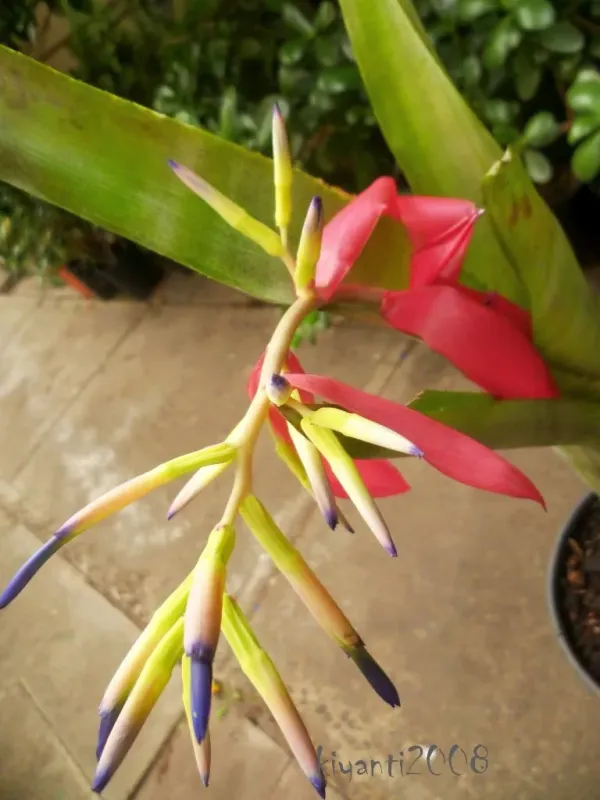
Description
Growing requirements
Billbergia minarum is a member of the Bromeliaceae family, native to the tropical forests of Brazil. As an epiphyte, this plant has adapted to survive in warm, humid environments where it grows on tree trunks or in rock crevices, drawing moisture from the surrounding atmosphere.
In cultivation, the species requires bright, indirect light to maintain its vibrant foliage and healthy growth. Direct sunlight during peak hours can cause leaf scorch, so it is best kept in areas with filtered sunlight, such as those provided by light curtains or greenhouses.
The substrate must be highly porous and well-drained, mirroring the plant's natural environment. A mix containing orchid bark, perlite, and high-quality peat is recommended to ensure that roots are never sitting in water, which prevents common physiological issues in bromeliads.
Watering is a unique process for this species, as it involves filling the central tank (the rosette) with fresh water. It is essential to flush the tank periodically to remove debris and accumulated minerals, ensuring the water remains fresh and oxygenated for the plant's health.
Temperature management is critical for the success of this crop. Billbergia minarum thrives in temperatures ranging from 18°C to 26°C. During the dormant season, lower temperatures are tolerated, but protection from frost is mandatory as the plant has no cold hardiness.
Main diseases and pests
Scale insects and mealybugs are the most common pests affecting this plant. These sap-sucking insects often hide in the crevices of the rosette leaves, necessitating careful inspection and the use of insecticidal soaps or horticultural oils to eliminate infestations.
Root rot is the most significant threat to Billbergia minarum, usually triggered by waterlogged soil conditions or stagnant water in the rosette during cooler, darker months. Proper drainage and adequate airflow are the primary defense mechanisms against fungal pathogens and rot.