
Billbergia windii
Billbergia windii
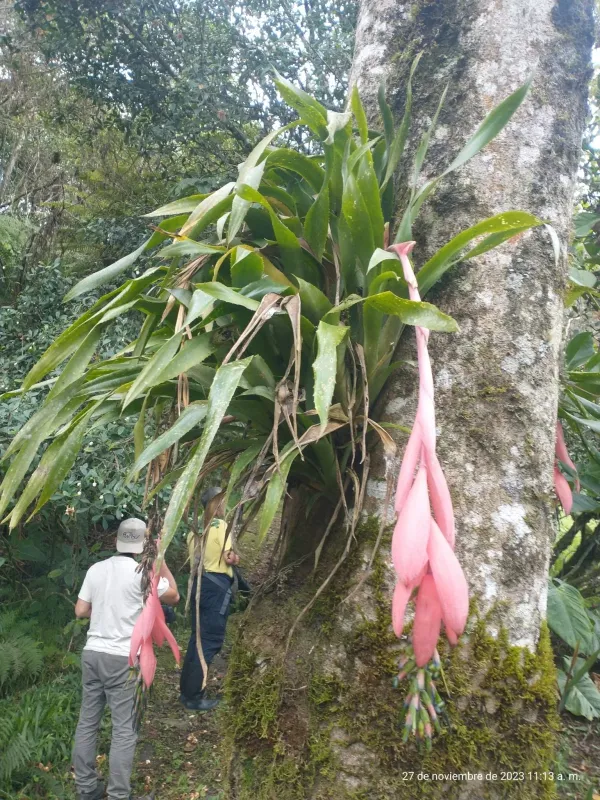
Description
Growing requirements
Billbergia windii is a perennial herbaceous plant belonging to the Bromeliaceae family. It is a well-known hybrid originating from South American species, characterized by its robust growth and decorative inflorescences.
This culture requires bright, indirect light to thrive. Excessive exposure to direct sun can lead to leaf scorching, while insufficient light hinders the development of its distinctive hanging flower clusters.
The optimal temperature range is between 18°C and 25°C during the active growing season. A slight decrease in night temperatures during the winter months stimulates the maturation of the plant and supports the subsequent flowering phase.
Soil requirements focus on high drainage capacity. A typical substrate includes peat moss, perlite, and pine bark. The plant should be potted in small containers, as its root system is not extensive and thrives in slightly constrained conditions.
Agronomic management involves watering the central rosette with filtered or rainwater. It is critical to ensure that the water temperature is close to ambient levels to avoid thermal shock to the plant tissues.
Main diseases and pests
Common pests include scale insects and spider mites, particularly in low-humidity environments. These pests can rapidly affect the aesthetic value and vitality of the plant.
Root rot is the most prevalent pathological threat, usually triggered by waterlogging the substrate. This issue requires careful monitoring of irrigation intervals to allow the medium to dry out slightly.
Integrated pest management strategies involve maintaining optimal humidity levels and physical removal of pests followed by the application of horticultural soaps or specific systemic insecticides.
Fungal infections of the rosette base are often associated with stagnant water. Providing adequate ventilation and using sterilized soil components are essential preventive measures.
Regular monitoring and rapid intervention are crucial to prevent the spread of infections, as the density of the rosette makes it difficult for traditional contact fungicides to penetrate fully.